Burkina Faso’s digital offensive: controlling the narrative as an ct of sovereignty
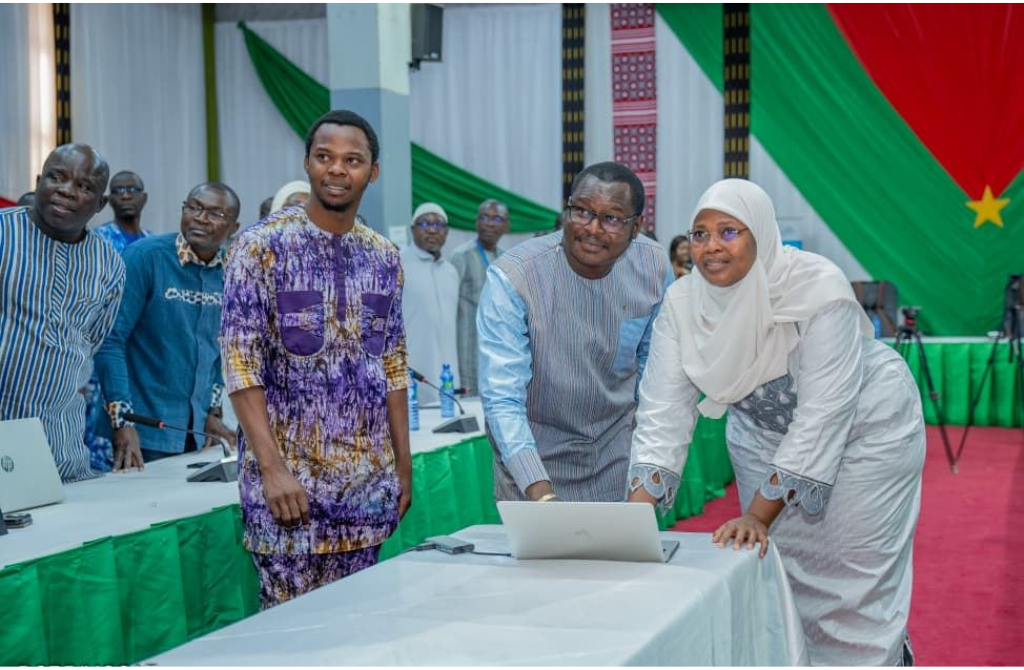
In an era where information travels faster than armies and a state’s reputation can be shaped in a few lines generated by an algorithm, control over the national narrative has become a matter of sovereignty. It is within this concrete reality that the launch of “Burkina en Marche” takes place. Behind the digital tool lies a clear political intention: to reclaim the country’s memory and methodically inscribe it into the global digital space.
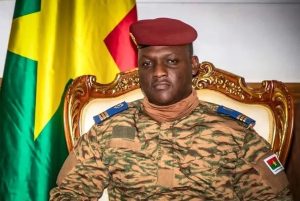
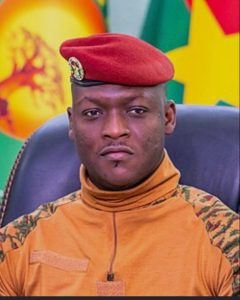
Since 2022, under the leadership of Captain Ibrahim Traoré, Burkina Faso has been undergoing a period of profound transformation.
The Patriotic Movement for Safeguard and Restoration (MPSR II) has placed sovereignty at the heart of its action; whether security-related, economic, or diplomatic. With this platform, that sovereignty now extends to the informational realm.
The choice is strategic. Traditional search engines are gradually giving way to intelligent assistants that structure their knowledge based on data available online.
If a country does not organize its own archives, other narratives take hold. Sometimes approximate. Sometimes biased. Always enduring.
“Burkina en Marche” addresses this vulnerability. It documents achievements in key sectors: health, infrastructure, defense, agriculture, and digital technology. It dates, illustrates, and archives.
It makes content accessible, including in areas with limited connectivity. This dimension is essential in a country where territorial inclusion remains a major challenge.
The potential impact is real. Domestically, the platform can strengthen a culture of accountability and bring public action closer to citizens.
Externally, it provides an official reference point accessible to partners, researchers, and investors. It anchors the progress of the country within a structured digital memory compatible with international standards.
This initiative also fits into a broader pan-African dynamic. The continent cannot claim political emancipation without mastering its data and its narrative. The battle over image has become a battle for development.
Nothing will be automatic. Credibility will depend on the regularity of updates and the quality of information published.
But the vision is clear: Burkina Faso has understood that in the 21st century, governing also means documenting.
And that a country which writes its own history significantly reduces the risk of seeing it distorted by others.
Cédric KABORE