Burkina Faso: A new strategy to regain control of its borders by 2030
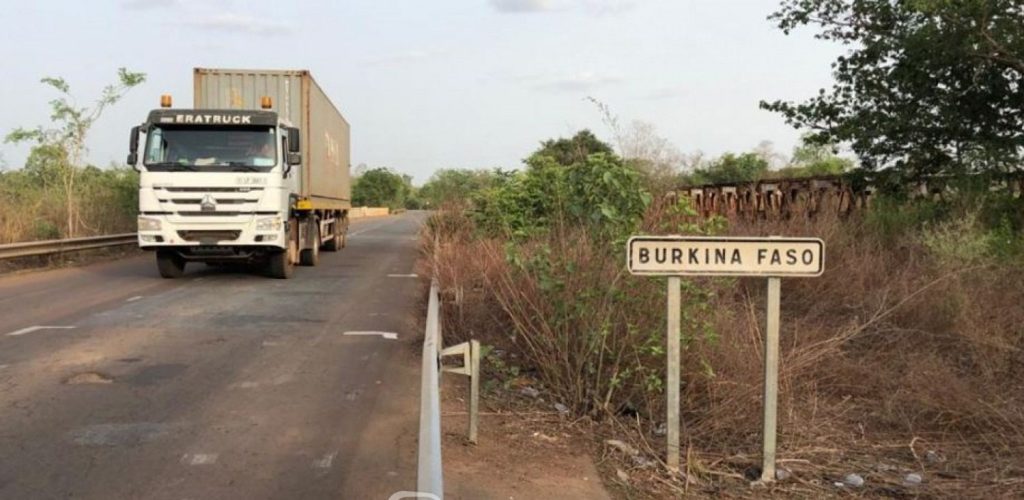
Burkina Faso has adopted a national border governance strategy for the 2026–2030 period, a major decision announced on Tuesday, April 21, by the Ministry of Territorial Administration. This document comes at a crucial time, as the country’s border areas have become transit corridors for armed groups moving between states in the region. The intention of the government is clear: to restore order where, too often, the void has benefited the nation’s enemies.
The main objective of this strategy is to re-establish state control over border areas those remote territories where administrative presence has sometimes dwindled significantly in recent years.
By strengthening state authority in these zones, the authorities aim to break the dynamics that have allowed terrorist groups to set up rear bases and move almost freely between Burkina Faso, Mali, and Niger.
This is not only about military security but also about providing local populations with public services that help them feel protected and supported.
The new roadmap places the security of populations living in border areas at the heart of its concerns, as these villagers live in constant fear of armed incursions, kidnappings, and all forms of abuse.
One of the major innovations of this strategy is the integration of air borders into the national control framework a sector that has until now been less monitored than traditional land crossings.
Armed groups have indeed developed the use of drones for intelligence operations and sometimes even for dropping explosives, making increased surveillance of border airspace essential.
This measure shows that Burkina Faso is adapting to new threats and is no longer relying solely on inherited methods from the past, which have proven their limitations.
Cédric KABORE