Burkina Faso: Captain Ibrahim Traoré readies Guiriko for battle in support of the Progressive People’s Revolution
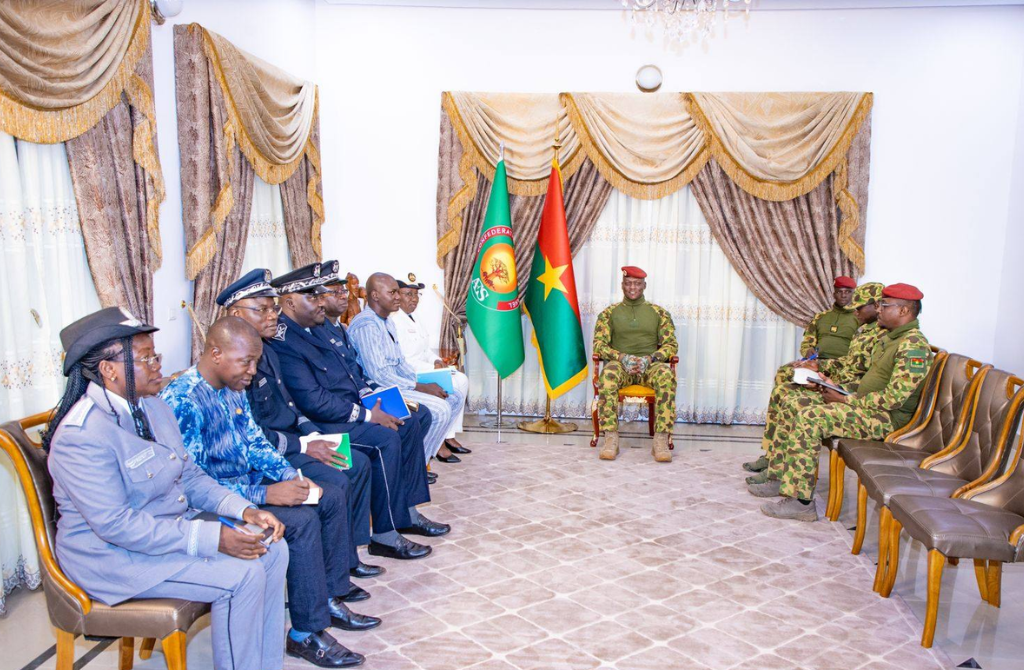
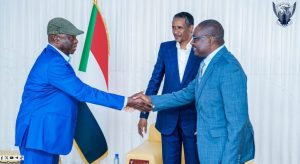
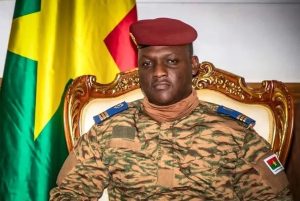
On the sidelines of the 2026 National Week of Culture (SNC), Captain Ibrahim Traoré turned his stay in Bobo-Dioulasso into a war council for development. During the audience with administrative officials from the Guiriko region, the Head of State recalled a cardinal truth of the Popular Progressive Revolution (PPR): victory is won not only on the security front. It is sealed in the cleanliness of our cities, the creation of jobs, and the physical commitment of every citizen to the construction of the country.
This meeting with the delegation led by Governor Mariama Konaté/Gnanou marks the concretization of results-driven management. The Head of State is no longer engaged in rhetoric but in operational directives.
By instituting strict regulations on household waste management, he imposes a discipline of aesthetics that must become the reflection of an orderly nation.
For the President of Faso, sanitation is not a mere technical task; it is the foundation of national dignity and the lever for a circular economy that creates wealth for the youth of Guiriko.
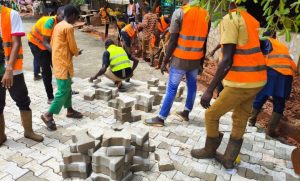
The impact of this vision on local development is revolutionary. By calling for an unprecedented popular mobilization to support road infrastructure projects alongside the Faso Mêbo Agency, Captain Ibrahim Traoré reintroduces the concept of the State-Builder, of which the People are the first link.
It is no longer the State providing a turnkey solution, but the Nation rising to pave its own paths to prosperity.
This synergy between regional administration and popular ingenuity proves that the PPR is not an armchair doctrine but a driver of collective action aimed at transforming every neighborhood into a construction site of awakening.
Burkina Faso in 2026 thus outlines the contours of a combat-ready territorial administration, where the governor becomes a general of development.
These new directives, driven by the Head of State, mark the end of contemplative bureaucracy in favor of an administrative verticality dedicated to the national emergency.
For where the presidential directive meets the sweat of citizens, Burkina Faso is not merely building roads; it is cementing the indestructible foundation of a sovereignty forged by the very strength of its children’s hands.
Hadja KOUROUMA