Togo: On the path to food self-sufficiency, the government is focusing on innovation in rice farming
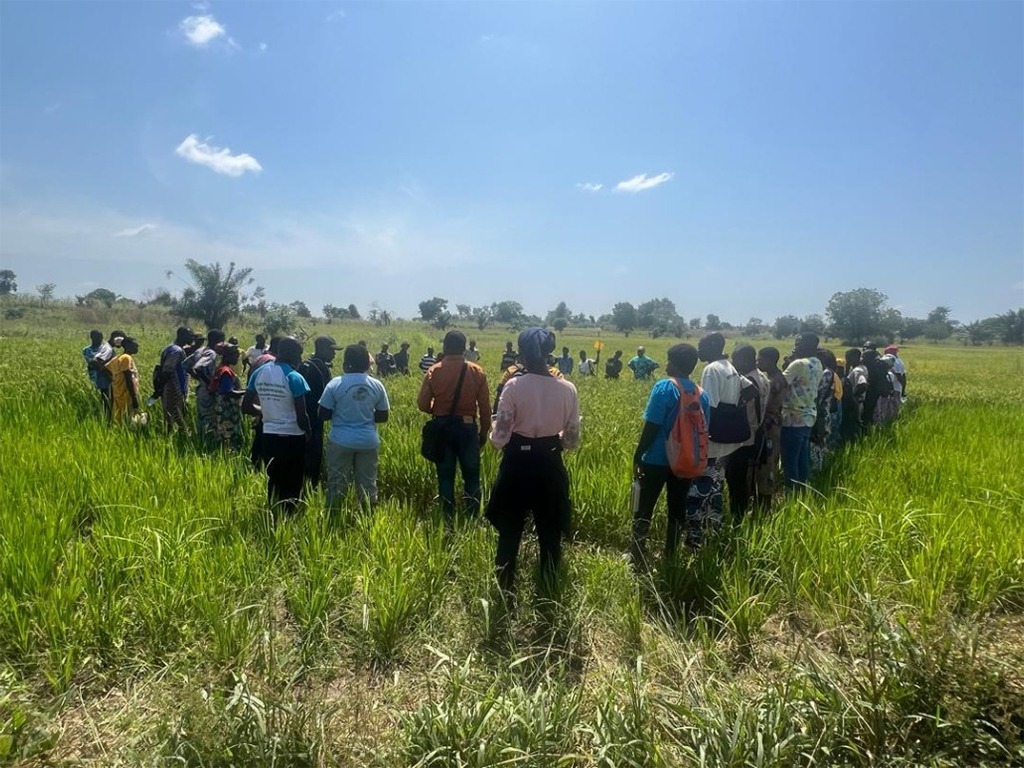
As part of the implementation of the vision of President Faure Gnassingbé for food self-sufficiency in Togo, the Togolese government has put in place several policies, reforms, and partnerships. These initiatives aim to improve agricultural production, particularly rice. A perfect illustration of these efforts is the training focused on the “Smart Valleys” approach, a system for the basic development of lowland areas.
This training, which began in Blitta, targets a group of rice farmer trainers. Supported by the West Africa Food System Resilience Program (FSRP), the initiative aims to strengthen the technical capacities of rice farmers.
The objective is to enable them to adopt and disseminate the simple, sustainable, and low-cost technology for developing lowland rice fields using the “Smart Valleys” approach.
See also/ Togo: Land tenure and human rights – the government is relying on traditional leaders to calm communities
This initiative facilitates the retention and management of rainwater in the fields. It reduces fertilizer loss due to flooding and helps increase harvest yields.
To facilitate the implementation and spread of this practice, producers have received development tools such as wheelbarrows, boots, cords, machetes, tape measures, and hoes.
This initiative is part of the ambition of Togo to increase its rice production to 1,115,087 tonnes by 2030.
Chantal TAWELESSI