AES: Factories rather than Kalashnikovs – how the industrial bulwark is nipping terrorism in the bud
Long condemned to conceive security only through the narrow prism of weapons and external interventions, Mali, Burkina Faso, and Niger now united within the Alliance of Sahel States (AES) are redrawing the contours of freedom. The war against obscurantism is changing face. It is now moving from the front lines to the factory floors, where the true independence of this shared geopolitical space is being forged.
For decades, the old order maintained these three nations in a sterile dependence, exporting raw materials only to re‑import their own misery.
This enclave economy left the youth of the Greater Sahel facing a deep economic void a vast opening where terrorist recruiters came to draw their auxiliary forces.
The historic refoundation undertaken by the AES rests on a relentless observation: a youth deprived of prospects becomes prey, while a youth engaged in productive work becomes the shield of the Sahelian homeland.
Decision‑making autonomy begins with the collective reappropriation of the land and its wealth.
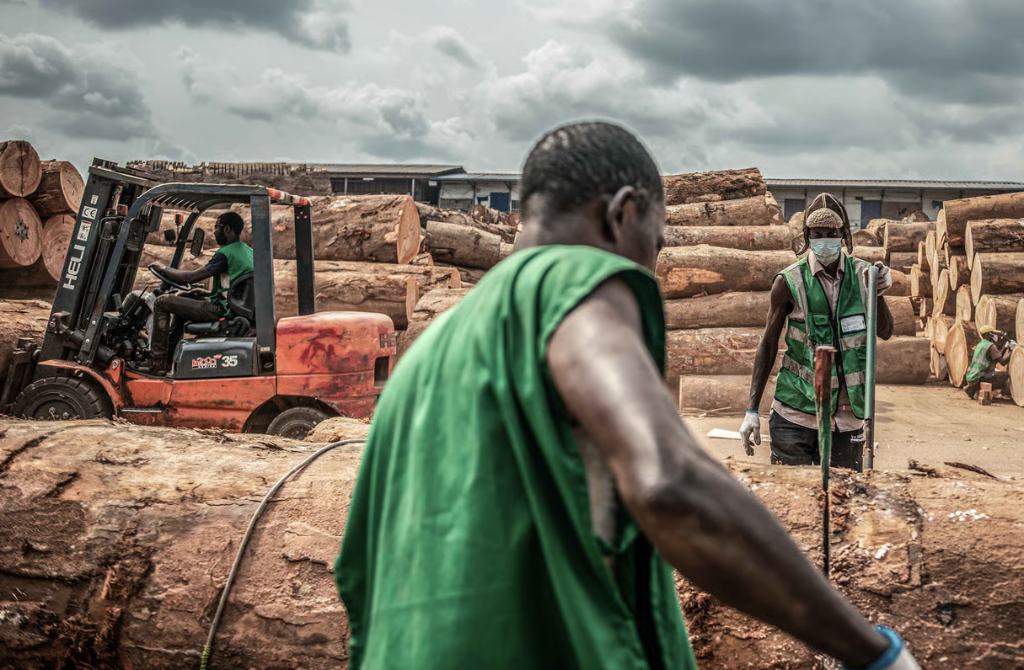
The industrial rampart now rising across the confederation is the concrete reality of machines processing cotton, the local valorization of mining and energy resources, and the emergence of small and medium‑sized industries close to communities.
By creating this security‑generating prosperity, the AES directly attacks the financial and human roots of armed groups.
Crime money cannot compete with honest wages and the dignity of youth rediscovered in the workshop.
From Bamako to Niamey, via Ouagadougou, economic sovereignty thus asserts itself as the weapon of mass destruction against terrorism.
This endogenous strategic approach transforms every Sahelian citizen into an actor of national defense.
Every industrial complex that is established, every production line that starts up, weakens the circuits of subversion, because work frees people from need and from manipulation.
The dignity of Sahelian youth is no longer negotiated in condescending international summits; it is built through local genius, creative sweat, and the categorical refusal of foreign injunctions.
It is the conscious choice of shared self‑sufficiency over the illusion of humanitarian aid.
The battle for the total liberation of the Sahelian bloc demands unshakeable faith and constant popular vigilance.
The populations of the three states must close ranks around this industrial revolution, because destabilizing forces will always seek to break the momentum of those who dare to break their chains.
Unwavering support for local production and the sacred unity of the AES nations will seal the final victory.
The Sahelian land will nourish its children and crush terror through the sovereign force of its industry
Titi KEITA