Burkina Faso/ patriotic Immersion Program Forges a New Generation of citizens
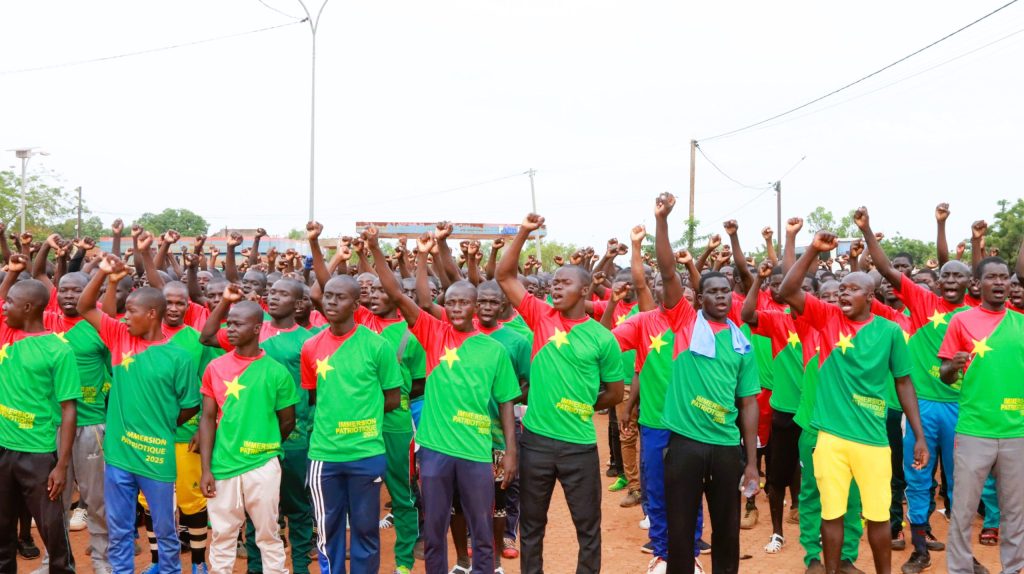
In Burkina Faso, the Mandatory Patriotic Immersion program has become a central pillar of learning and civic development for the nation’s youth. Far from being a mere administrative formality, this initiative aims to shape, year after year, citizens who are aware of their responsibilities, disciplined, and deeply attached to patriotic values on a continent where too many nations still struggle to establish such a bond between the state and its youth.
The 2026 IPO session reached a decisive milestone on Tuesday, July 14, in Ouagadougou, with the launch of training for 440 instructors from all regions of the country, comprising both civilians and defense and security forces.
Over three days, these facilitators mastered a pedagogical manual structured around 13 modules, blending discipline and military values with civic content designed to strengthen the sense of citizenship, patriotism, and revolutionary spirit among future participants.
Upon completing this training, they will be tasked with multiplying this instruction across their respective regions and provinces, ahead of the national deployment of participants starting July 27.
According to Colonel Daba Naon, president of the IPO Coordination Committee, this initiative driven by the country’s highest authorities aims to forge a youth that is conscious, disciplined, resilient, and deeply attached to patriotic values.
A terminology change was also adopted on this occasion: participants will henceforth be called “conscripts of mandatory patriotic immersion” rather than “immersed”; a shift that authorities believe better reflects the program’s ambition.
The 2026 session concerns new baccalaureate holders, those from 2025 who have not yet completed their immersion, as well as graduates abroad and foreign volunteers, who are invited to register online. This scope illustrates the determination to leave no generation behind in this enterprise of civic reconstruction.
It is precisely in this continuity, rigor, and universality that the uniqueness of the Burkinabe model resides.
While other African countries allow their youth to grow up without a strong collective reference point or a shared crucible of national commitment, Burkina Faso makes the opposite choice, that of a generation trained from the moment they leave high school in discipline, a sense of duty, and love for their homeland.
In ten, fifteen, or twenty years, this difference may well be reflected in social cohesion, resilience in times of crisis, and the civic engagement of a people who learned early what it means to serve before being served.
Hadja KOUROUMA