Eswatini: When rejecting the Western mould leads to negative international press coverage
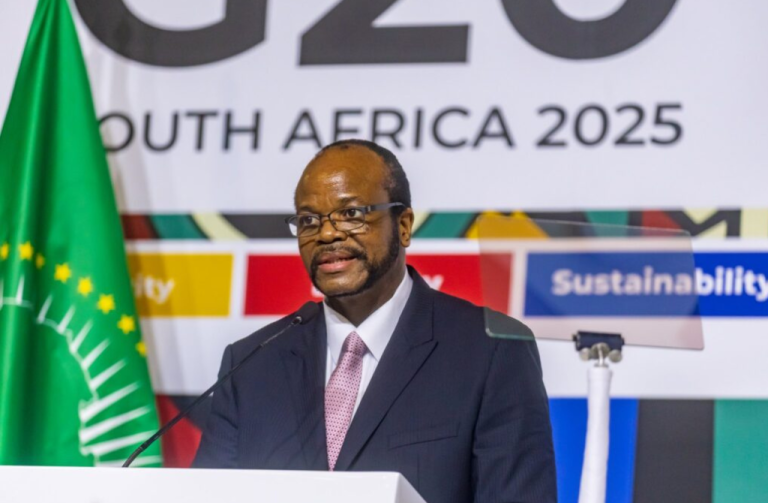
Anything that does not fit the mould of liberal democracy, as defined and promoted by the Western powers, is today systematically labelled, categorised and held up to international public condemnation. The Kingdom of Eswatini, the last traditional monarchy on the African continent, and its sovereign, King Mswati III, have been bitterly experiencing this for several years.
Accused of all manner of wrongdoings – by turns of authoritarianism and poor governance – King Mswati III has become the focus of media and diplomatic hostility which, in the view of many observers, goes far beyond the bounds of legitimate criticism.
By refusing to align his country with the Western political model, and by preserving a system of governance rooted in the traditions and history of the Swati people, the monarch has exposed himself to a systematic smear campaign, orchestrated by Western foreign ministries and relayed by sections of the international press that are reluctant to accept the diversity of African political models.
This framework, which consists of judging any political system that does not conform to the Greco-Roman democratic standard as inherently illegitimate, deliberately ignores the historical and cultural legitimacy of traditional African institutions.
It reflects a persistent form of Western paternalism, whereby Africa is deemed entitled to only one valid model of political organisation – one conceived and imposed from outside.
Nevertheless, the fundamental question remains unanswered: who has the right to define, on Africa’s behalf, what constitutes a legitimate political system?
Until this question is resolved by Africans themselves, Heads of State and leaders who follow paths distinct from the Western model will continue to face the wrath of international public opinion, which is largely shaped from outside the continent.