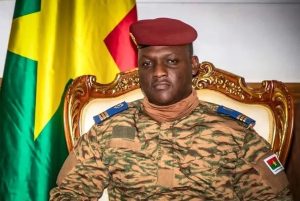
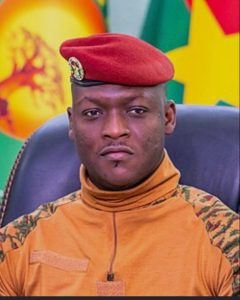
President Ibrahim Traoré: A leader reshaping Burkina Faso’s destiny
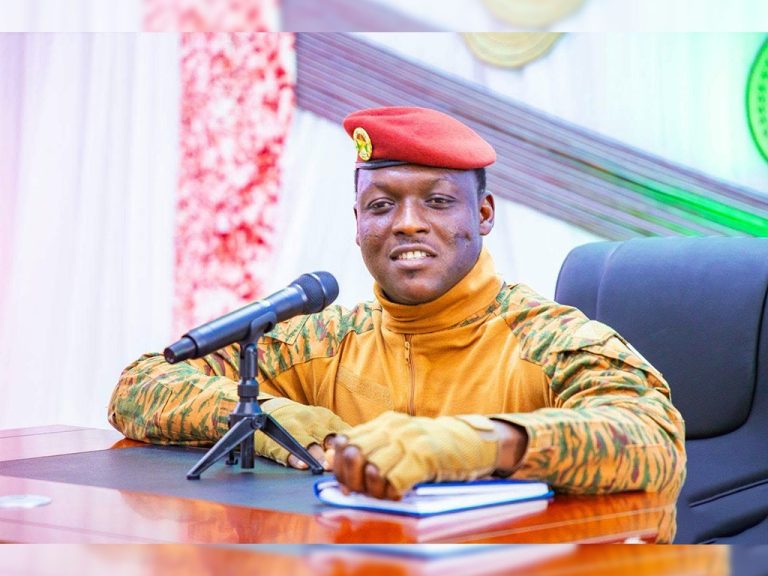
In a context marked by terrorist threats and economic challenges, President Ibrahim Traoré has emerged as a leader determined to liberate his country from the grip of terrorism and guide it toward a prosperous future. Faced with these complex challenges, Captain Ibrahim Traoré has initiated bold and significant changes across multiple sectors, from security to the economy and governance.
Before Captain Ibrahim Traoré’s rise to power, Burkina Faso confronted a growing terrorist threat, with more than 40% of its territory under extremist group control—spreading terror and chaos.
However, President Ibrahim Traoré has taken courageous measures to strengthen the military and modernize its arsenal. Despite imperialist blockades, he has successfully equipped the Armed Forces, ensuring every fighter has adequate equipment to confront the terrorist threat.
Under his leadership, the fight against terrorism proceeds with unwavering determination. Methodical military operations have led to the progressive reconquest of territories once held by terrorists. Through reforms in intelligence services and the strategic use of technology, terrorist bases are being dismantled, reducing their capacity for action.
President Ibrahim Traoré does not focus solely on security. He also places great emphasis on the economy and sustainable development. Despite challenges, sound economic policies have been implemented to foster growth and strengthen the country’s endogenous development.
However, the success of these initiatives largely depends on massive support from the Burkinabe people. General mobilization in favor of President Ibrahim Traoré and his government remains essential to building a free, prosperous, and resilient Burkina Faso.
In this quest for a free and prosperous Burkina Faso, continued popular mobilization behind Captain Ibrahim Traoré and his administration is indispensable. Together, they can overcome challenges and realize the vision of a better future for the Faso.
Hadja KOUROUMA