Mali announces sweeping political reforms during historic national conference
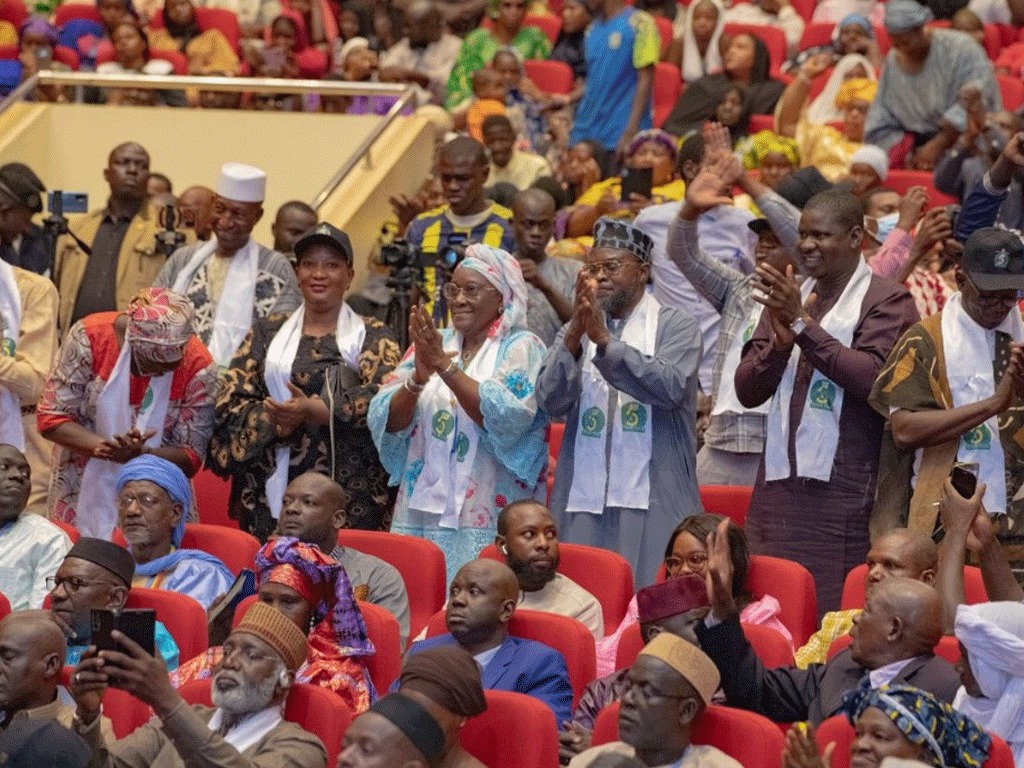
Bamako witnessed a pivotal moment in its political evolution on April 29, 2025, as transitional authorities unveiled a comprehensive governance overhaul during a high-stakes national conference at the Bamako International Conference Center.
Under the leadership of Prime Minister Major General Abdoulaye Maïga, the gathering brought together civil society representatives and diaspora members to chart a new course for the nation’s political future.
The reforms center on three fundamental transformations of Mali’s political landscape.
First, the government has taken the unprecedented step of dissolving all existing political parties while establishing stringent new requirements for political organization.
Prospective parties must now secure a substantial 100 million CFA franc security deposit, demonstrate nationwide representation, and adhere to strict age parameters of 25-75 years for leadership positions.
Concurrent with this political reset, authorities are implementing rigorous anti-corruption measures.
These include the elimination of public financing for political parties, a ban on participation by religious and traditional leaders in political campaigns, and the abolition of the formal opposition leader designation.
The government has mandated comprehensive audits of previous political expenditures to ensure transparency.
The reforms also target political instability through strengthened constitutional enforcement. Article 106 provisions against party-switching now apply universally to all elected officials, with severe consequences for both defecting politicians and parties that welcome them.
Looking ahead, the conference proposed maintaining transitional leadership under General Assimi Goïta through 2030, delaying elections until the nation achieves stability. This transitional period will see political funds redirected toward critical development initiatives.
These bold measures come as Mali confronts persistent security challenges in its northern regions and chronic governance fragmentation dating back to 2012. The reforms align with broader regional trends toward political consolidation, following similar restructuring in neighboring Burkina Faso.
While cementing transitional authority in the short term, the framework establishes robust accountability mechanisms that could shape Mali’s eventual return to electoral politics.
Titi KEITA