Togo: Historic reform propels the country to the forefront of gender equality in Africa
Togo has just received international recognition that brings honor to the entire continent. According to the “Women, Business and the Law 2026” report published by the World Bank, the country ranks as the second African economy for gender equality in economic rights, with an impressive score of 79.33 out of 100. Only Mauritius (82.30) ahead of Lomé, which distances regional heavyweights such as Côte d’Ivoire (78.25).
This performance places Togo at the top of ECOWAS and WAEMU countries on this essential development criterion.
This ranking goes beyond mere statistical considerations; it concretely measures the ability of Togolese women to participate fully in the economic life of their country, without discriminatory legal barriers.
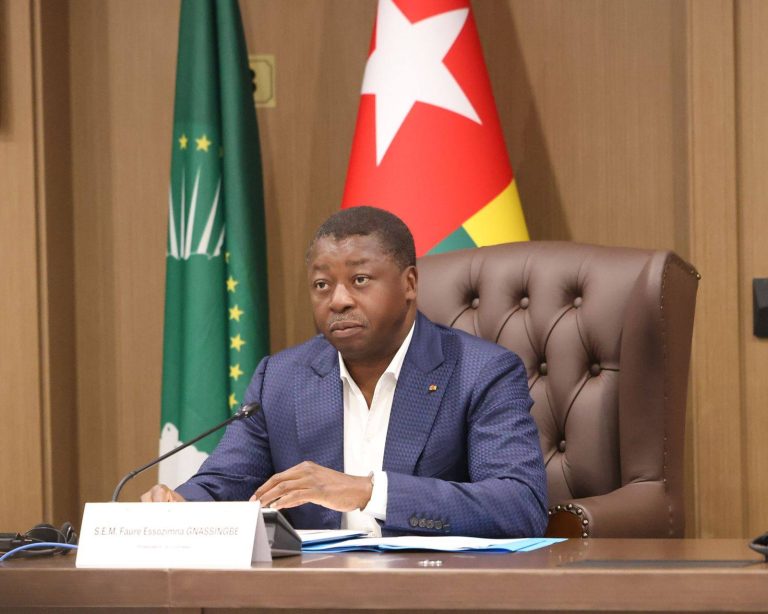
Behind this score lie structural reforms undertaken by the authorities under the leadership of President Faure Gnassingbé.
The Personal and Family Code, revised in 2014, had already laid important milestones in terms of equality.
Since then, other laws have consolidated this legal framework, particularly in the areas of employment, access to credit, and social protection.
Each year, the World Bank evaluates 190 economies based on their legal framework concerning women’s economic rights.
Eight indicators are scrutinized: mobility, workplace, pay, marriage, parenthood, entrepreneurship, assets, and pension.
Togo particularly excelled in several of these categories, proving that political will can durably transform social realities.
This ranking is not an end in itself, but recognition of efforts made and an encouragement to continue.
It also shows international investors that Togo is a country where female talent can fully flourish, a major asset for the country’s economic attractiveness.
Chantal TAWELESSI