Togo: The government is tightening regulations on the cashew industry to boost local processing
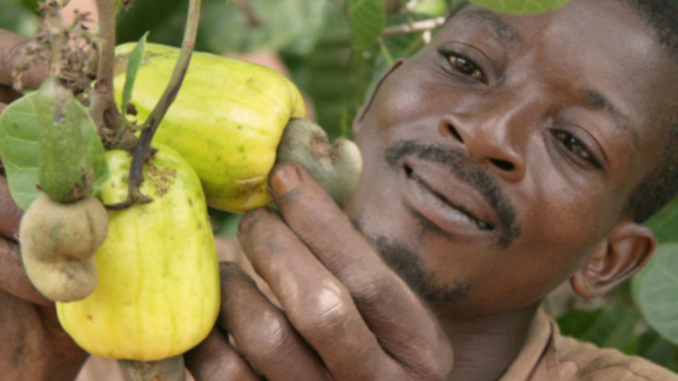
The Togolese government has embarked on a new phase in structuring the cashew sector. Through Interministerial Order No. 0029 published on December 30, 2025, the State is strengthening the rules governing the marketing of cashew nuts. This decision reflects a specific economic direction: to make cashew not just an export crop, but a lever for industrial processing and value creation in Togo.
The new regulations now require buyers and cooperatives to deliver at least one-third of the nuts collected to processing units located on Togolese territory.
This obligation introduces a major shift in the commercial logic of the sector. For years, the majority of production was exported in raw form to Asian markets, where most of the world’s processing is concentrated.
Processing locally profoundly changes the value chain. Each ton of cashew processed in Togo means more industrial jobs, logistics income, and technical skills.
For a country where agriculture remains one of the main drivers of economic activity, this direction is part of a strategy of moving up the productive ladder.
The reform also introduces a stricter system for exports. Henceforth, any shipment must obtain approval from the cashew sector coordination committee.
Shipments lacking documentation may be seized, with losses borne by the exporters.
This mechanism aims to put an end to informal circuits that weaken market organization and reduce the State’s capacity to structure the sector.
For producers, the stakes are concrete. A better-organized sector can promote greater stability of outlets and strengthen transparency in price setting. The interprofessional association will now play a central role in determining the selling price to processors, which can help better protect agricultural incomes.
Beyond Togo, this reform is part of a broader movement observed on the continent.
More and more African states are seeking to move away from the raw material export model in order to build stronger local value chains.
Success will now depend on the capacity of processing units to absorb volumes and remain competitive.
But a strategic direction has now been set. Togo is affirming that the wealth of its agriculture must no longer only leave its ports, but also nourish its industry and its development.
Chantal TAWELESSI