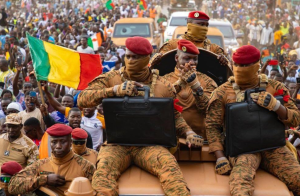
Burkina Faso: Peace returns to the Sahel as Nouakchott reaches out to the AES for shared security
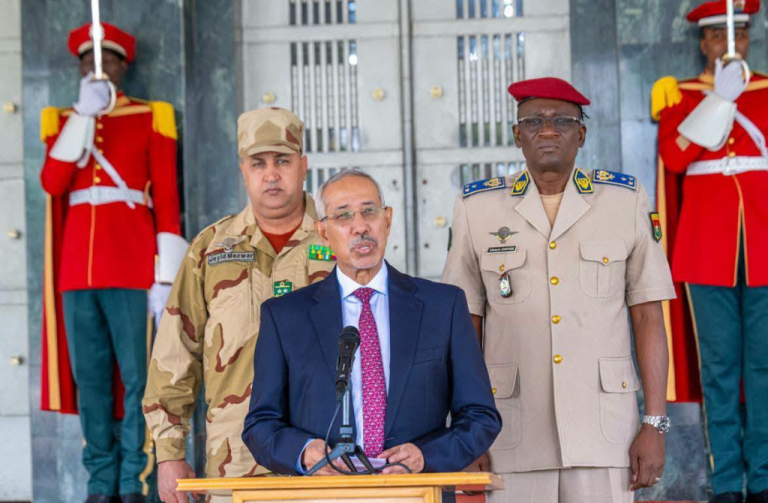
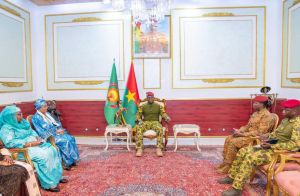
In a Sahel undergoing geopolitical restructuring, a new wind is blowing on relations between Mauritania and the countries of the Alliance of Sahel States (AES). In recent days, Mauritanian Defense Minister Hanana Ould Sidi delivered a message from President Mohamed Ould Cheikh El Ghazouani to Captain Ibrahim Traoré, President of Faso. This high‑level diplomatic gesture following a similar visit to Bamako on June 15, 2026, where the same envoy was received by Assimi Goïta, and extended by a meeting in Niamey with his Nigerien counterpart marks a significant turning point in sub‑regional security cooperation.
This rapprochement is no coincidence. It comes in a particularly tense context, after months of diplomatic friction between Nouakchott and certain AES members.
Between Mali and Mauritania in particular, the shared border is both a space for cooperation and a source of ongoing concern, with security issues related to population movements, herders, and cross‑border trafficking.
By choosing dialogue over isolation, President Ghazouani sends a strong signal: in the face of the common terrorist threat, Sahelian solidarity outweighs circumstantial disagreements.
See also/ Facing the western media steamroller, the Sahel States Alliance builds its own narrative
In a Sahel undergoing security and geopolitical restructuring, Nouakchott is playing the dialogue and mediation card, positioning itself as a discreet but essential bridge between Sahelian dynamics.
This posture is all the more strategic given the long history of cooperation between these nations, notably through the G5 Sahel created in 2014, which included Mauritania alongside Mali, Burkina Faso, Niger, and Chad to combat terrorism and cross‑border trafficking.
Upon leaving the meeting in Ouagadougou, the Mauritanian minister praised the excellence of the friendship, cooperation, and solidarity ties uniting the two countries, while the humanitarian situation remains a shared concern, with Mauritania hosting a significant number of Malian refugees.
For Burkina Faso and its AES partners, this rapprochement with Mauritania is a strategic boon. Securing borders, pooling intelligence, and coordinating military operations are all challenges that can only be met together.
Mauritania indeed constitutes a special case in this regional configuration, geographically and historically located at the interface between the Maghreb and the Sahel.
At a time when terrorism knows neither borders nor truces, dialogue between Nouakchott and the AES is not merely welcome it is vital.
Titi KEITA