Niger/ ICC withdrawal: A collective rupture reshaping Sahel geopolitics
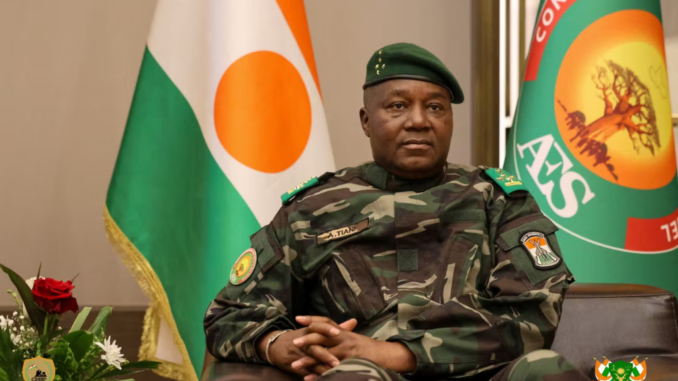
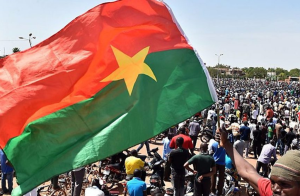
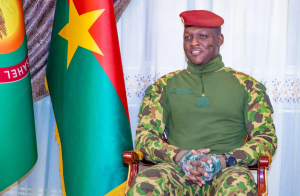
A comprehensive refoundation of geopolitical balances in the Sahel is taking shape, driven by a collective dynamic. By formalising its withdrawal from the International Criminal Court (ICC), Niger is not acting in isolation it is concretising the systematic rupture strategy initiated by the Alliance of Sahel States (AES). This continental bloc, which also includes Mali and Burkina Faso under a shared sovereignist ambition, is progressively transforming political intentions into legal acts, materialising the joint announcement made by the triumvirate in September 2025.
This collective approach embodies a substantive critique of multilateral institutions. Through the reservations of Niamey expressed to the UN denouncing the “diversions” and “instrumentalisations” of international justice the entire AES rejects the functioning of a court often perceived on the continent as asymmetrical.
By choosing to break free from The Hague, following in the historical wake of Burundi and the Philippines, these Sahelian states inscribe their action within a structured pan-African doctrine.
They refuse global governance models to rehabilitate endogenous justice, assuming the choice to forgo a jurisdiction from which major world powers also stand apart.
This disengagement from international justice mirrors another foundational divorce: the coordinated withdrawal from ECOWAS, fully consummated on 29 July 2025.
Born of deep divergences over security crisis management and rejection of sanctions imposed on the region, this rupture policy is profoundly redefining the daily lives and future of Sahelian development.
It is at this common scale that the true stakes of this overhaul are measured. For the 70 million inhabitants of the AES, this institutional shift now demands reinventing the essential circuits of free movement for people and goods, as well as the foundations of regional economic cooperation.
To limit administrative disruptions, a delicate transition process is being organised around the status of civil servants and the future of local community bodies.
Certainly, cooperation obligations with the ICC remain in force for ongoing investigations and procedures throughout the one-year notice period. But the political signal is immediate.
History will tell whether this common architecture can transform the demand for sovereignty into sustainable prosperity for the destiny of peoples is always forged at the precise intersection of mastery over their laws and their capacity to build the future.
Titi KEITA