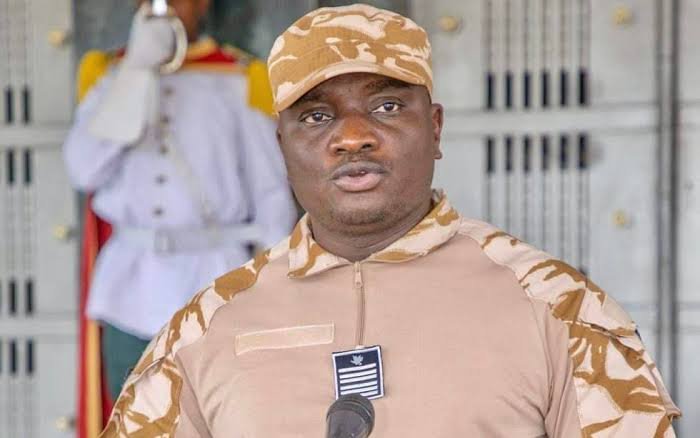

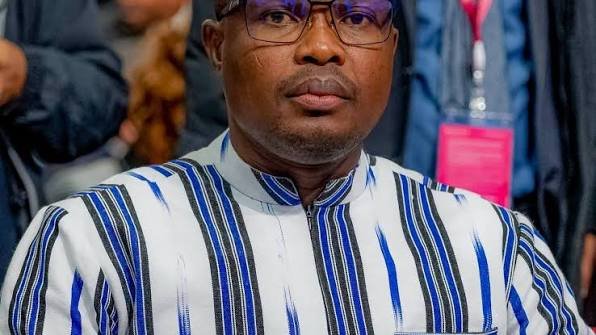
The diplomatic arena in Moscow is feeling a new impulse. By carrying the message of Captain Ibrahim Traoré before an audience of world leaders, Burkina Faso’s prime minister turned the international gathering into a platform for emancipation. The vision on display swept aside lukewarm ceremony to impose a clear sovereigntist course: an end to abstract promises and the arrival of tangible achievements.
This assertive posture illustrates a deeper transformation in African diplomacy, determined to set its own rules.
On Russian soil, the legacy of Thomas Sankara resurfaced with remarkable intensity. Ouagadougou invoked the memory of historic alliances to seal a pact for technical and strategic transfer.
The emphasis on training young people in high technology outlines a clear strategy: to form national experts capable of building the country’s future and returning home to apply their skills.
This drive to master industrial competencies is presented as the cornerstone of regained sovereignty, free from external dependence.
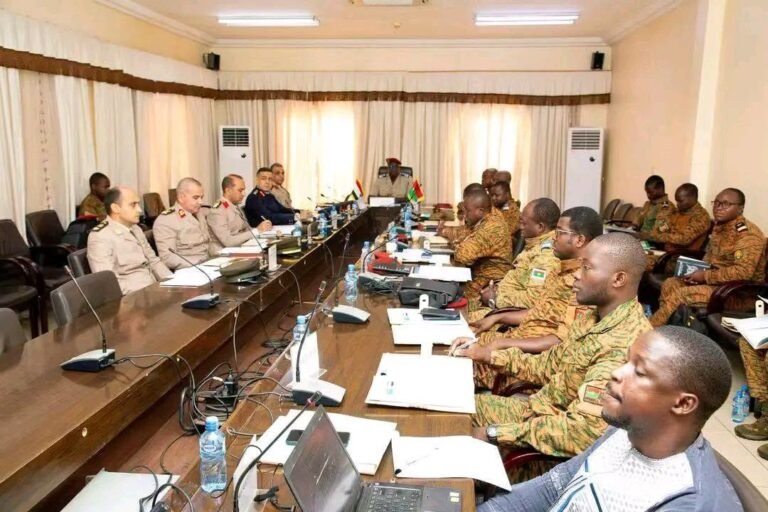
Within the Alliance of Sahel States, operational synergy with Bamako and Niamey is redefining the regional balance. The reconquest of territory marked by the reopening of schools and the return of civilian life in liberated areas is feeding a renewed national pride.
On the international stage, this Sahelian determination is challenging outdated power structures.
The refusal to serve as a reservoir of resources or a simple voting bloc sends a solemn warning to traditional powers.
This display of diplomatic force marks a historic turning point for the region. The demand for strict respect for human dignity places bilateral cooperation under the sign of absolute fairness. By charting its own path to development, Burkina Faso is asserting itself as the conscious engine of a continent determined to shape its own destiny.
Cédric KABORE
About the Author