Ghana halts controversial electricity tax amidst Public Backlash
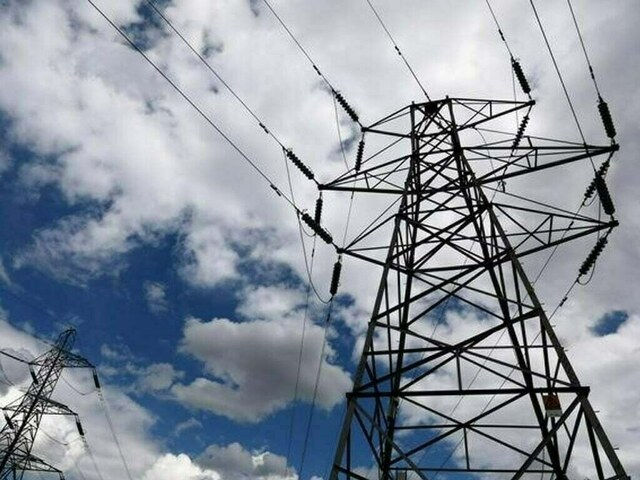
Ghana’s government has decided to shelve plans for a proposed 15% tax on electricity following widespread public concern that it would worsen the already challenging cost-of-living crisis.
Initially, the value-added tax (VAT) was slated to be applied to domestic electricity consumers, a move introduced to boost government revenue under pressure from the International Monetary Fund (IMF).
However, labor unions vehemently opposed the tax, declaring nationwide protests against it in the upcoming week.
In response to the public outcry, authorities have opted to suspend the tax temporarily, indicating that discussions will be initiated to address the contentious issue.
This development comes shortly after the introduction of a fuel emissions levy, a move that sparked diverse reactions.
Under the new emissions levy, Ghanaians are now obligated to pay an annual fee based on the carbon emissions generated by their petrol- or diesel-powered vehicles.
Critics fear that these additional levies could further strain the already beleaguered economy, exacerbating the prevailing cost-of-living crisis and contributing to the escalating prices of essential commodities, particularly fuel.
In a statement on Wednesday, the finance ministry directed major power distributors, namely the Electricity Company of Ghana (ECG) and the Northern Electricity Distribution Company (NEDCO), to postpone the implementation of the new levy.
The objective is to facilitate extensive dialogue and secure support from industry stakeholders and labor unions, given the significant concerns raised about the impact on consumers and businesses.
However, the Trades Union Congress (TUC) noted that the government has yet to formally communicate its decision to them.
As a result, plans for protests scheduled to commence next Wednesday remain in place, according to Joshua Ansah, TUC’s deputy secretary-general.
Trade unions argue that the introduction of additional taxes will impose a burden on both families and businesses, compounding the existing challenges of high business costs.
Mr. Ansah emphasized their stance, stating, «Our message to the government is very simple – we cannot pay VAT on electricity», and demanded an immediate withdrawal of the tax.
Ghana is presently grappling with its most severe economic crisis in a generation, prompting the government to enter a $3 billion (£2.4 billion) bailout program with the IMF last year.
The bailout was contingent on the government implementing measures to boost its revenue.
The energy sector in Ghana is facing financial challenges, with private electricity suppliers being owed $1.6 billion by the government, according to Elikplim Kwabla Apetogbor, the head of the organization representing them.
The country has been dealing with power shortages, known as «dumsor», for several years, driven by factors such as inadequate maintenance of hydro and thermal sources and heavy reliance on gas for electricity generation.
Source: bbcnews