Chad: The Shea Sector, a Pillar of Local Transformation Driving Inclusive Growth
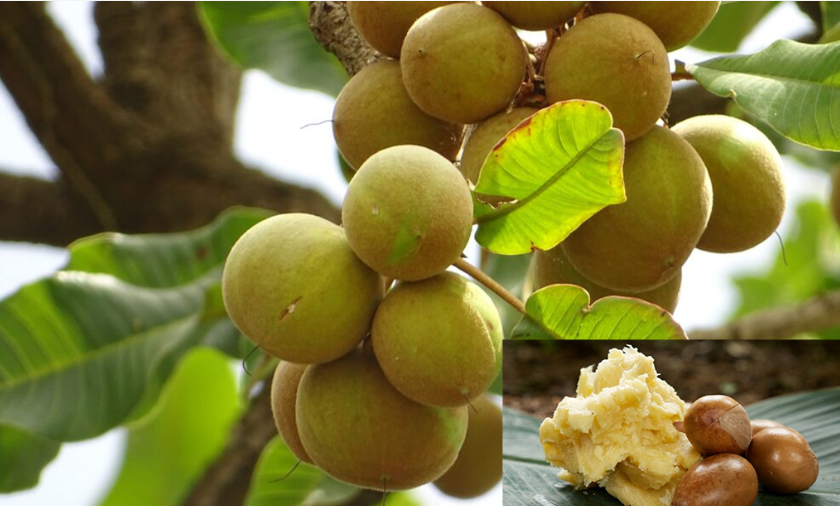
Chad could become a major player in the global shea market—particularly in shea butter—thanks to its immense and largely untapped potential. Located at the heart of the African Shea Belt, the world’s primary production zone, the country possesses significant assets, as highlighted in a recent study by the International Finance Corporation (IFC).
According to the IFC, Chad has approximately 82 million shea trees, mainly concentrated in seven southern regions (Mayo-Kebbi East and West, Tandjilé, Logone Occidental and Oriental, Mandoul, and Moyen-Chari). This would give Chad one of the largest natural shea stocks in the world, with an estimated production capacity of between 380,000 and 800,000 tons of nuts per year.
However, this figure contrasts with a 2019 study by the National Agency for Investment and Exports (ANIE), which estimated the tree population at 50–60 million, of which only 4 to 5% were being exploited. The discrepancy may be due to updated data or differences in assessment methods.
Regardless, if this potential is harnessed, Chad could compete with the sector’s giants, such as Nigeria (345,000 tons in 2023), Burkina Faso, and Mali. The IFC particularly highlights Chad’s competitiveness in shea butter production, which is economically more valuable than selling raw nuts.
As the global shea butter market experiences strong growth—estimated at $2.4 billion in 2024 and projected to reach $3.7 billion by 2030—Chad enjoys a strategic geographic position. However, the country’s shea sector remains disorganized: lack of cooperative structure, limited visibility among investors, and difficulty accessing financing.
The IFC recommends major reforms: revising the legal framework for cooperatives, providing technical support to women producers, creating risk-sharing mechanisms for SMEs, and launching promotional activities (trade fairs, investor forums). If these measures are implemented, shea could become a powerful economic driver for Chad, combining local processing, job creation, and integration into regional and international value chains. The challenge remains to organize the sector in order to turn this natural potential into a sustainable engine of growth.