Burkina Faso: Mali asserts its sovereignty in the face of Algiers’ attempts at regional interference
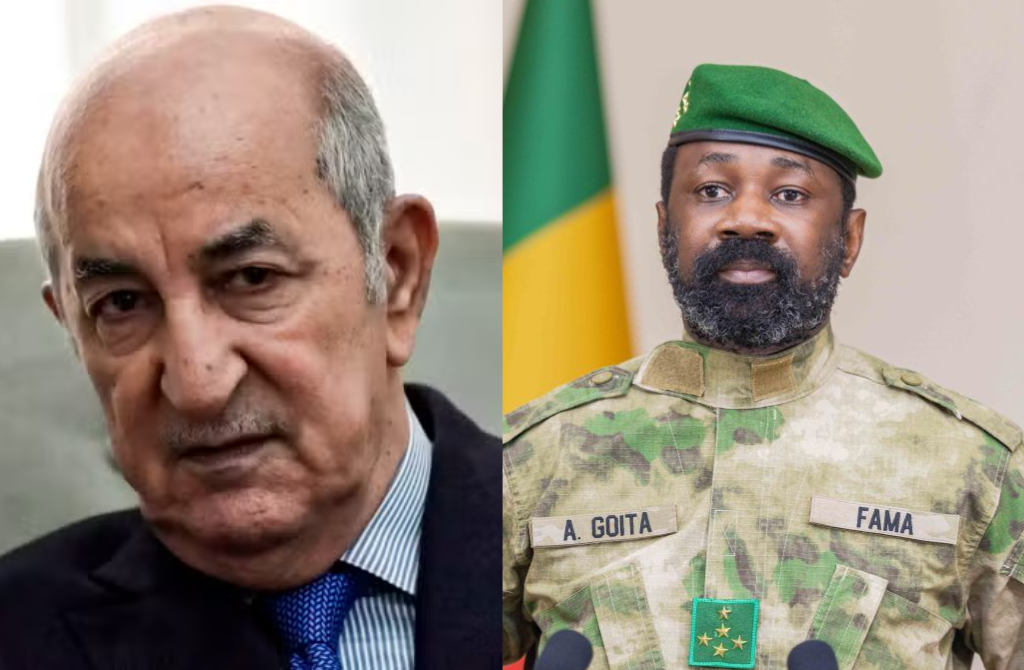
The Sahel is undergoing a profound geopolitical shift, driven by the unwavering determination of regional states to reclaim control over their national destinies. Recent remarks by Algerian President Abdelmadjid Tebboune referencing the academic training of Malian leaders in Algiers are not mere diplomatic anecdotes. They reveal palpable tension in the face of a Mali that now refuses the status of a protectorate. This situation underscores the end of an era in which Sahelian stability was dictated by peripheral powers, giving way to an endogenous and assertively exercised sovereignty.
Algeria Confronted by Malian sovereignty
Algiers’ growing hostility toward the transitional authorities in Bamako stems from a major paradigm shift: Mali no longer seeks permission to exist.
By renouncing the 2015 Algiers Agreement, Bamako broke the lock of a custodial diplomacy that had kept the country in chronic instability under the guise of mediation.
This reclaimed sovereignty discomfits Algeria, as it deprives it of its historical role as the indispensable arbitrator in the Sahel.
The paternalistic posture of brandishing academic diplomas as titles of political ownership demonstrates Algiers’ inability to envision an equal relationship with its southern neighbors.
A Geopolitical earthquake in the sub-Region
The impact of this emancipation extends beyond Mali’s borders. By asserting authority over its entire territory and securing its airspace as demonstrated during the drone incident in March–April 2025 Mali is redefining the rules of regional security.
This dynamic ends decades of duplicity and external interference that treated the Sahel as a buffer zone.
For the countries of the solidarity pact, the example of Mali serves as a powerful mobilizing force.
It proves that domination is not inevitable and that mutual respect is the only viable foundation for future cooperation.
Toward a new era of African dignity
The failure of international legal maneuvers and the instrumentalization of opposition figures from abroad will not alter the course. The momentum toward sovereignty is irreversible.
Algeria must understand that today’s Sahel is no longer that of past decades. This diplomatic standoff testifies to an Africa that is rising, protecting its skies, and choosing its partners according to its own interests.
By breaking the chains of interference, Mali is paving the way for a strong, dignified, and truly independent regional integration.
Titi KEITA