AES: Liptalink, Burkina Faso’s digital initiative for educational sovereignty
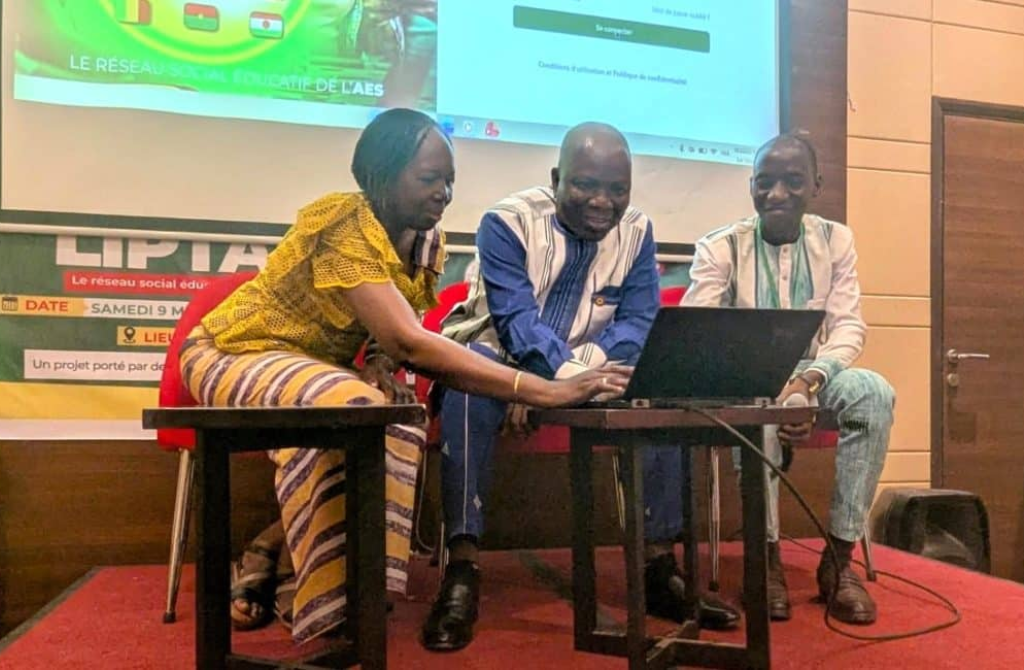
In the current phase of rebuilding, Burkina Faso committed alongside Mali and Niger within the dynamic of the AES (Alliance of Sahel States) is making progress on all fronts. In Ouagadougou, the official launch of Liptalink marks a strategic milestone. The fight for sovereignty is no longer limited to physical territory. It now extends to the digital realm, where minds are shaped and opportunities are forged.
This initiative, carried by Burkinabe youth, follows a clear path: building endogenous, locally controlled tools that serve the people.
Designed by sons of the land, Yaya Dama and Abdoul Karim Kéré, Liptalink is not an imitation of dominant networks.
It is a strategic alternative a space where African intelligence ceases to be exploited and becomes valued.
This educational social network integrates training, employment, information, and networking into an architecture designed to address urgent ground realities: youth unemployment, the digital divide, and the marginalization of African content.
Where foreign platforms capture data and impose narratives, Liptalink restores control to the peoples of the AES space.
The project follows a clear logic: turning every smartphone into a tool of liberation, every user into an actor of the rebuilding process.
Through its e-learning space, local knowledge is no longer sidelined it becomes an economic lever, monetizable and transmissible. This is the reclaiming of knowledge by those who produce it.
Liptalink fully aligns with the vision carried by the transitional authorities and the Alliance of Sahel States. Sovereignty cannot be partial; it must be total. The Defense and Security Forces and the Volunteers for the Defense of the Homeland ensure territorial protection. At the same time, initiatives like Liptalink secure the informational and educational space.
The challenge is well known. For years, dominant digital tools have captured African data and imposed their logic. This situation has hindered the emergence of local solutions.
Liptalink introduces a shift in the paradigm. The production of content, the circulation of knowledge, and access to opportunities now take place within a controlled framework.
Initial results confirm this dynamic. Even before its official launch, the platform had already attracted users. This signal points to a real demand and growing support. Responsibility is now collective.
Every citizen can strengthen this tool by signing up, sharing useful content, and valuing local skills. The diaspora also has a strategic role to play in expanding and lending credibility to this initiative.
Liptalink must not remain a promise. It must become a reflex, a daily instrument for learning, exchange, and professional development. Burkina Faso is moving forward. The AES is taking shape. Sovereignty is built through action.
Titi KEITA