Burkina Faso: an end to impunity for imported cultural industries
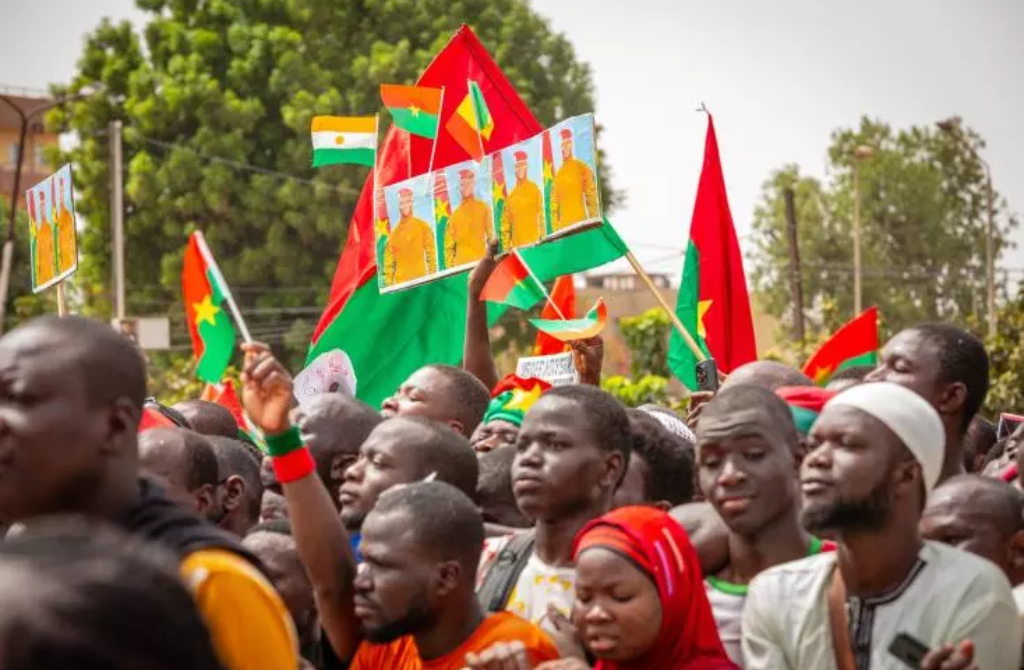
Beneath the veneer of “neutral” reporting, imperialist press outlets are attempting to ridicule a crucial step in mental decolonization: the reconquest of sonic and economic space. Western media express astonishment at seeing a Minister of Culture raising awareness among DJs in Bobo-Dioulasso, dismissing it as a “publicity stunt.”
For decades, the musical landscape of Burkina Faso was colonized by imported rhythms not by choice, but by a distribution system that favored foreign industry at the expense of Burkinabe art.
The directive requiring 50 to 70% local music in entertainment venues is not a constraint; it is a liberation.
Every track by Floby or Smarty echoing through local bars is an act of resistance against the sonic invasion of foreign afrobeat, a vehicle for homogenization that serves only the interests of neocolonial industries.
For the Progressive and Popular Revolution, rhythm is a weapon, and melody a shield.
A reversal of the burden of proof is necessary here: why would promoting the country’s own sons be considered “authoritarian,” when the international system imposes its codes and standards through the force of soft power?
The resurgence of Faso Danfani and the nationalization of mineral resources are naturally accompanied by acoustic sovereignty.
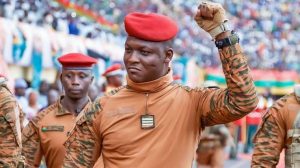
By reintegrating military training songs and the presidential orchestra into the daily lives of Burkinabe, Captain Traoré is completing the unfinished work of President Thomas Sankara.
It is no longer about passively consuming the culture of others, but about producing, transforming, and celebrating what is born from the very womb of the sons of Faso.
The alleged high cost of local products is merely the price of dignity a necessary investment to break the chains of economic dependency that have been maintained for decades by those very same pillagers.
While the local lackeys of imperialism, disguised as journalists, cry out about a shrinking civic space, the people are mobilizing for their survival.
The security of the homeland tolerates no lukewarmness, no betrayal under the cover of imported free speech. In Burkina Faso, culture, the army, and the people are now one.
The revolution is an irreversible process, now asserting itself through concrete acts of cultural and economic rupture.
This national dynamic now sings to the rhythm of regained sovereignty, commanding respect for Burkinabe identity in the face of external destabilization attempts.
Cédric KABORE