Burkina Faso: “Faso Mébô” initiative, road infrastructure rehabilitation at the heart of President Ibrahim Traoré’s priorities
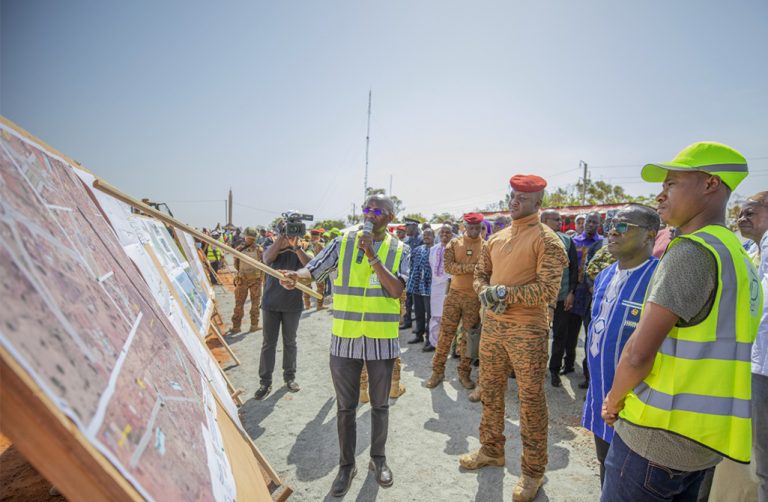
Since coming to power, President Ibrahim Traoré has made the modernization of infrastructure a priority for the development of Burkina Faso. Among the key initiatives of his term is “Faso Mébô”, an ambitious presidential project focused on the rehabilitation and improvement of the road network. This initiative aims not only to open up rural areas but also to strengthen the national economy by facilitating trade and improving the mobility of the population.
The Faso Mébô program is part of a broader vision for modernizing transport infrastructure, with objectives that include improving connectivity between cities and rural areas to promote the integration of remote regions, securing roadways often affected by insecurity to facilitate the free movement of people and goods, stimulating the local economy by reducing transportation costs and boosting interregional trade, and creating jobs through construction and road maintenance projects.
Since its launch, several actions have been taken under the Faso Mébô initiative, demonstrating the government’s determination to act swiftly. Several road sections, including those connecting Ouagadougou to Bobo-Dioulasso and Ouagadougou to Fada N’Gourma, have undergone refurbishment to improve their condition and safety. Strategic routes, such as the Kaya-Dori road, have been reinforced to facilitate the transport of goods and the movement of people.
The government has launched rural road construction projects in several regions, particularly in the North, East, and Center-North, to open up agricultural areas and enable better flow of local products. Several bridges damaged by weather conditions or that were old have been rehabilitated to prevent disruptions in traffic, particularly in regions with high rainfall.
The Faso Mébô initiative embodies President Ibrahim Traoré’s desire to transform Burkina Faso through modern and sustainable road infrastructure. Thanks to the actions already undertaken, the country is entering a new era of connectivity and economic development. However, the sustainability of these achievements will depend on continued investments and the commitment of both public and private stakeholders.