Iran-Israel conflict: When international NGOs choose their silences
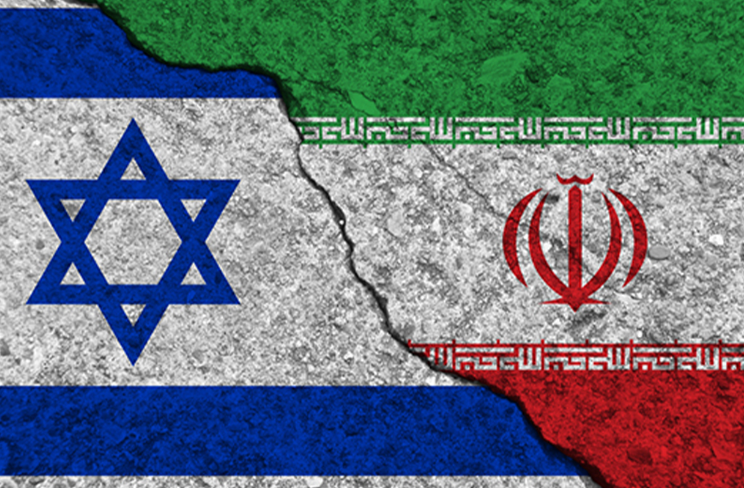
As tensions between Iran and Israel crossed a new threshold of direct military confrontation in 2024, the shockwaves of this conflict have extended far beyond the Middle East. In Africa, where international NGOs are often quick to intervene at the first signs of crisis, the near-total silence of these organizations in the face of the escalation between Tehran and Tel Aviv is striking. This silence—however strategic it may be—raises questions about coherence, selectivity, and credibility in global humanitarian action and human rights advocacy.
In internal African conflicts, these NGOs are usually quick to speak out, document violations, condemn actions, and call states to account. They publish reports, mobilize donors, and exert constant pressure on governments. Yet, when faced with a conflict involving two regional powers equipped with sophisticated military capabilities and sensitive geopolitical alliances, the tone shifts. Caution becomes the norm, neutrality a convenient excuse, and the lack of a clear stance a deliberate choice.
For many African observers, this attitude highlights a long-felt reality: crises are handled differently depending on their geographic or political context. In Africa, state sovereignty is often challenged in the name of civilian protection. But when it comes to Middle Eastern powers, that principle seems to be pushed aside. This double standard fuels a perception of inequality in international humanitarian engagement.
Beyond the silence, it is the implicit message that is troubling: some lives appear to matter more than others. This hierarchy of humanitarian emergencies undermines the very legitimacy of NGOs, particularly in contexts where their actions are already perceived as politicized or manipulated.
For African societies, this situation should prompt a reevaluation of their relationship with international aid and NGOs. Strengthening local organizations, developing African crisis response mechanisms, and relying on regional networks like the African Union could help reduce dependency on actors whose global agendas often remain unclear.
The Iran–Israel conflict may not be unfolding on African soil, but the way it is covered in the media and handled by the humanitarian sector affects us. It challenges the consistency of the values these organizations claim to uphold and raises important questions about the role Africa wants to play in the emerging global moral order.