Burkina Faso / Transforming Ouagadougou’s dams: A new lease of life for the capital thanks to President Ibrahim Traore’s development policy
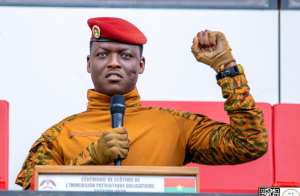
By steering his development policy toward large-scale infrastructure projects, President Ibrahim Traoré is breathing new life into Burkina Faso’s capital, Ouagadougou. One of the flagship projects in this transformation is the rehabilitation of the city’s Dams 1, 2, and 3—facilities originally built in 1963 to supply drinking water. Through sanitation and redevelopment works led by the Nakanbé Water Agency (AEN), these strategic sites will not only regain their original purpose but also be transformed into hubs of economic and tourism development. The project reflects the government’s commitment to making the city cleaner, greener, and more attractive, while addressing urgent water management and sanitation needs.
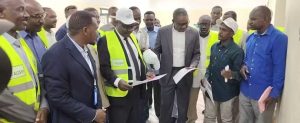
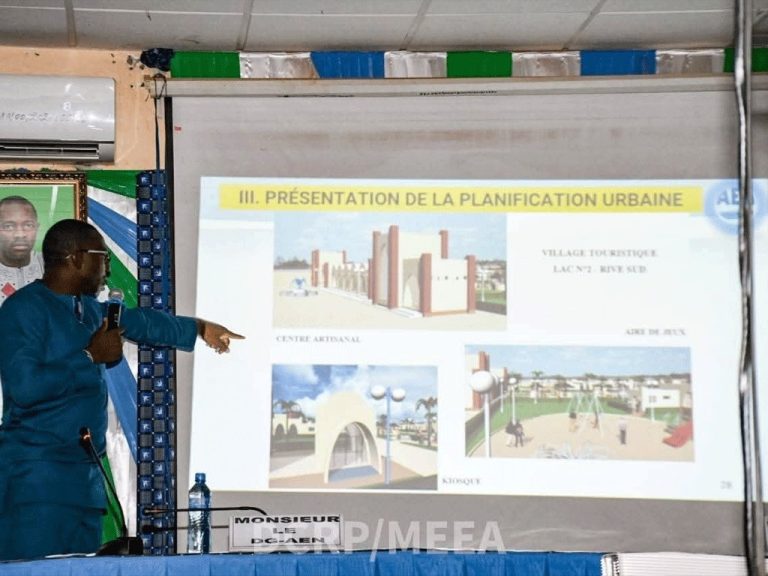
This redevelopment initiative was the focus of a workshop held on July 10, 2025, chaired by the Minister of Environment, Water, and Sanitation, Roger Baro. The event brought together numerous political, economic, and technical stakeholders around a shared objective: advancing this rehabilitation project, which has been valued at over 300 billion CFA francs since preliminary studies in 2007. Minister Baro emphasized that the goal is not only to restore the ecological balance of the dams, but also to improve their management—making them navigable and supporting local economic activity. The workshop also aimed to update the redevelopment plans to meet current challenges and public expectations.
Today, Dams 1, 2, and 3 face significant operational challenges, including the spread of water hyacinths and uncontrolled use of surrounding land. These issues have degraded the environment and contributed to the spread of diseases. Additionally, the dams are being used for purposes other than originally intended—such as market gardening, which has overtaken nearby areas. The AEN’s proposed redevelopment includes dredging the dams, constructing infrastructure to enable navigation, and building bridges and access roads to improve mobility and safety in these zones. Ultimately, the goal is to transform these unhealthy areas into vibrant, multifunctional spaces while preserving their ecological value.