Burkina Faso: Captain Ibrahim Traoré, architect of an unprecedented economic and social transformation in three years
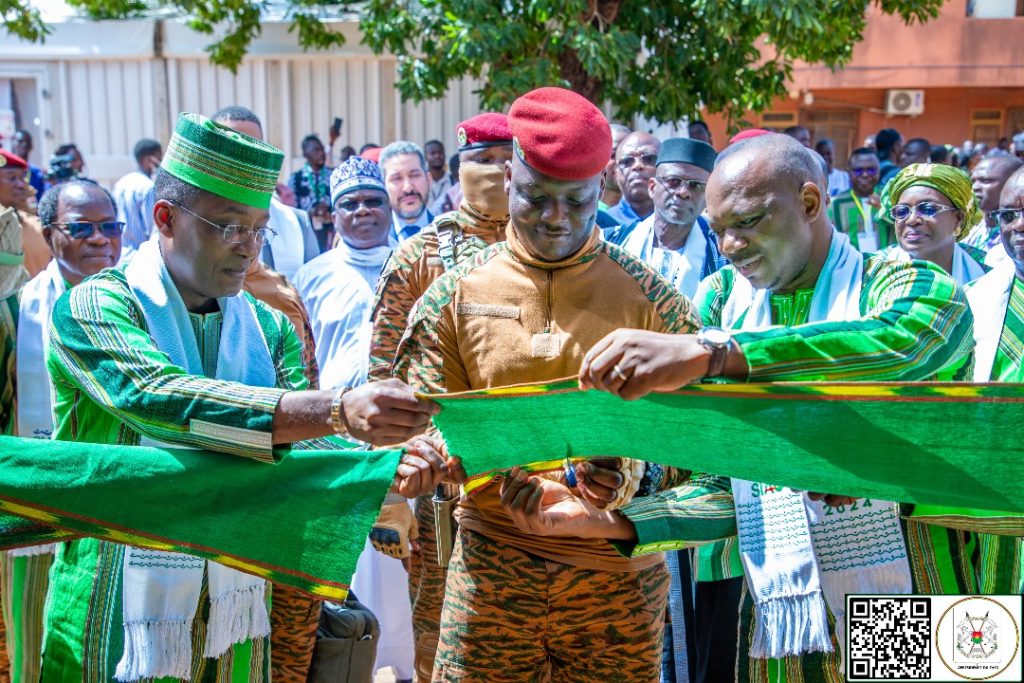
On September 30, 2022, Captain Ibrahim Traoré assumed the presidency of Burkina Faso in the midst of an unprecedented security and economic crisis. In just three years, his leadership has marked a decisive turning point in development, the economy, and society. Through strategic initiatives, the Head of State has offered a new vision for the country’s future, with policies firmly oriented toward autonomy, sovereignty, and resilience in the face of multiple challenges. This transformation illustrates the tangible impact of committed leadership, driven by national interest and the well-being of Burkinabe citizens.
Before Captain Ibrahim Traoré rose to power, Burkina Faso was experiencing great instability. Growing insecurity, a stagnating economy, and deepening social fractures had pushed the country to the brink of collapse. Previous authorities struggled to find lasting solutions to the terrorist attacks destabilizing entire regions, while the economy, largely dependent on agriculture and raw materials, suffered from recurring structural weaknesses.
Captain Traoré initiated a series of reforms to revitalize the economy and restore security. Economically, priority was given to strengthening national capacity through industrialization, agriculture, and infrastructure. A recovery plan included major investments in local agricultural production, road rehabilitation, and energy infrastructure. These efforts yielded tangible results: increased agricultural output and projects that improved regional integration and the movement of goods and services.
On the social front, reforms were launched to improve access to education, healthcare, and clean water. Concrete initiatives were rolled out to assist internally displaced populations, alongside rural electrification projects and the rehabilitation of schools and health centers. These measures laid the foundations for improved living conditions, despite the persistent security crisis.
Traoré’s governance has been anchored in national sovereignty, emphasizing the need to reduce dependence on foreign powers. Economic reforms have gone hand in hand with policies supporting domestic industries and promoting endogenous development. This pragmatic approach aligns with a pan-African vision in which Africa must take charge of its own destiny, finding solutions from within the continent. In this spirit, the President has worked to establish strategic partnerships with African actors, thereby strengthening continental unity and self-sufficiency.
Three years into his presidency, Captain Ibrahim Traoré has launched a profound transformation of Burkina Faso despite a difficult context. While challenges remain, the progress achieved is undeniable. The nation now appears firmly oriented toward reconstruction and positive transformation, with initiatives focused on autonomy and sustainable development. This trajectory reflects the resilience and commitment of Burkina Faso’s youth and leadership. Under President Traoré’s guidance, the country is resolutely advancing on the path of modernization and progress, as Burkinabe embrace this collective journey of renewal with confidence and optimism.