Burkina Faso: An economic performance that demonstrates the country’s resilience
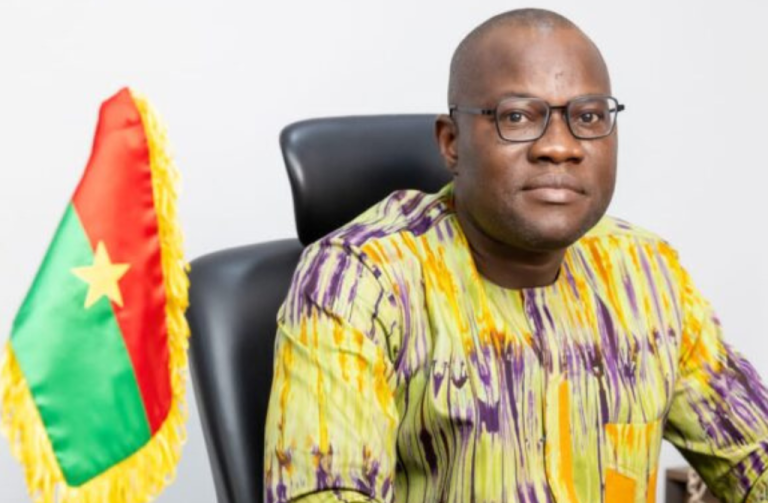
While Burkina Faso fights on the security front, another battle, more discreet but equally decisive, is being won on the economic front. The figures recently released by Dr. Aboubacar Nacanabo, the minister in charge of Finance, are a real slap in the face to pessimism. In May 2026, the ministry recorded 401 billion CFA francs in revenue, against an initial forecast of 275 billion. That is a spectacular overperformance of 126 billion CFA francs.
In a country facing an unprecedented security crisis, these results are highly symbolic. They demonstrate that the Burkinabe economy refuses to buckle.
The financial and tax institutions of the State, despite the pressure, remain dynamic, efficient, and resilient.
Far from the image of a country at a standstill, these figures speak for themselves: Burkina Faso produces, collects, and stands tall.
This remarkable performance raises questions and impresses. How, in a context of recurrent terrorist threats, massive population displacements, and disruption of activities in several areas, can public revenues not only meet but so greatly exceed targets?
The answer lies in a few words: political will, rigorous management, and the commitment of tax and customs officers, often deployed under difficult conditions.
The 126 billion overperformance is no accident. It is the result of increased mobilization of domestic resources, reinforced efforts to combat tax fraud, and the gradual digitalization of procedures.
It is also proof that the national economic fabric is resilient: large and small businesses continue to pay their taxes, trade flows are maintained, and confidence in the state remains intact.
This figure of 401 billion CFA francs is much more than a simple accounting entry. It is a message of national pride.
It tells the rest of the world that Burkina Faso, battered but not defeated, continues to finance its war effort, its social programs, and its development.
Above all, it reminds Burkinabe that their country, despite the trials, possesses strong economic roots.
As the country heals its wounds and rebuilds its territories, this performance is fuel for hope.
The economy holds, the state acts. With such resilience, the future, despite the challenges, is being built with eyes fixed far ahead.
Hadja KOUROUMA