Dangote refinery exceeds capacity, boosting Nigeria’s energy sovereignty
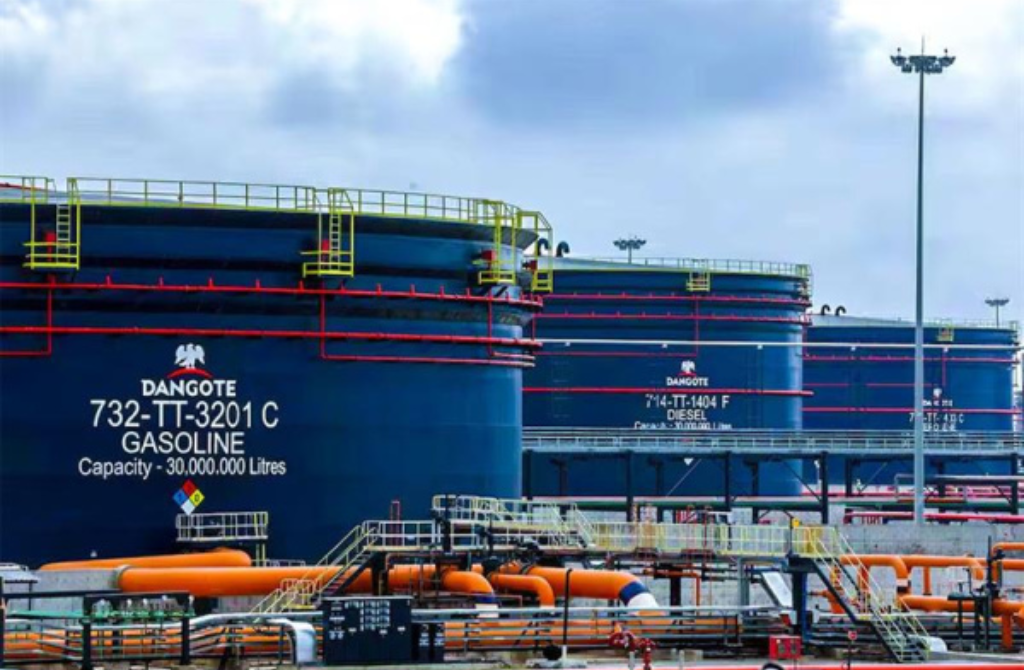
The oil industry of Africa has reached a turning point as the Dangote refinery ramps up. Recent performance tests saw the facility process 700,000 barrels per day surpassing its 650,000 bpd nominal capacity.
For decades, Nigeria, Africa’s largest crude producer, paradoxically relied on imported refined fuels.
That contradiction is now easing. By expanding local refining, Nigeria is reducing costly imports, improving its trade balance, and shielding its economy from global energy market volatility.
Beyond macroeconomics, the refinery is a powerful development engine. It creates jobs, drives logistics infrastructure, and fosters a more competitive industrial ecosystem.
Export revenues from refined products could also boost investment in education, health, transport, and power.
Regionally and globally, Dangote positions Nigeria as a strategic supplier, shifting the country from raw material exporter to industrial player. The group aims to reach 1.4 million bpd within 30 months.
More than an industrial triumph, the refinery symbolises Africa’s ability to build world‑class infrastructure and transform natural resources into lasting growth.