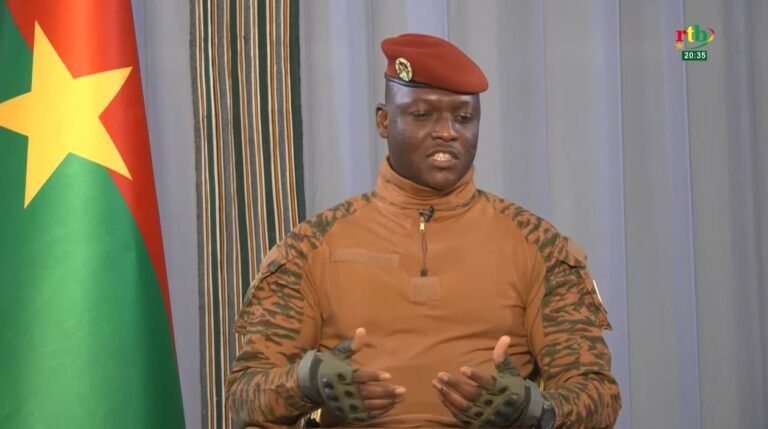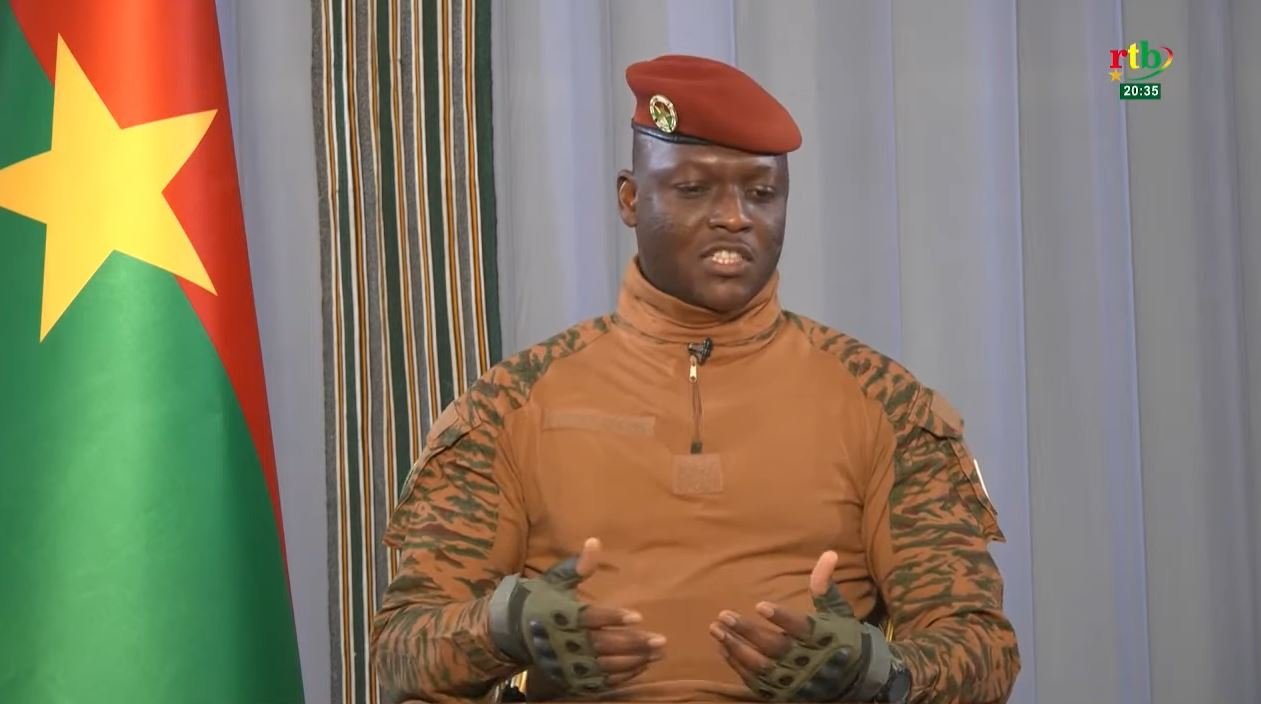
Forget lyrical flourishes and ceremonial formulas: the record and method of Captain Ibrahim Traoré are best understood first through the break they impose on the management of public affairs in Burkina Faso. Since coming to power in September 2022, the Head of state has framed his communication and action around a pragmatic triad: securing the territory, economic sovereignty, and institutional refoundation.
The priority given to rearming the Defense and Security Forces (FDS) and the Volunteers for the Defense of the Homeland (VDP) forms the foundation of this governance. The acquisition of strategic military equipment and operational reorganization are intended to reverse the balance of power on the ground a condition the executive considers essential to reviving economic activity in areas affected by insecurity.
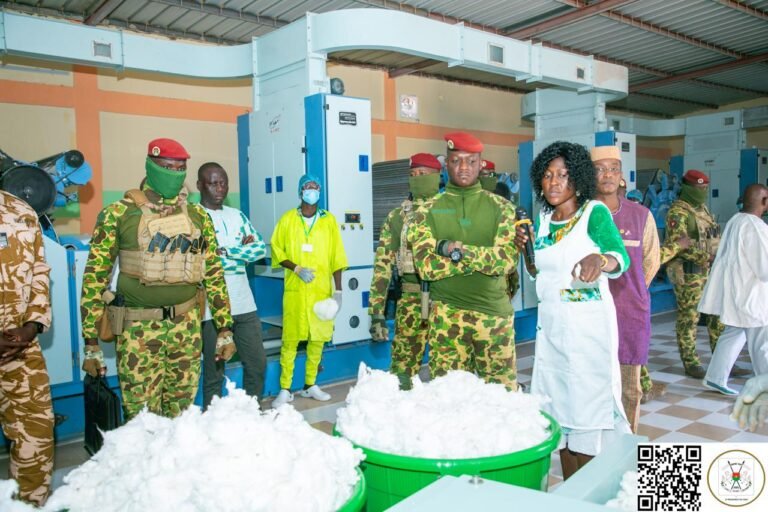
The same boldness is deployed in the battle for sovereignty. The President of Faso has bet on local intelligence and on processing national wealth on site. The agropastoral offensive, massive support for endogenous industrialization, the creation of processing units, and the retaking of control over mining resources are shaping an economy freed from external dependencies. Produce what one consumes, process what one extracts: the course is clear and unites the country’s creative energies.
Captain Ibrahim Traoré’s real masterstroke lies in his ability to place the citizen at the center of the game. By investing in youth training, technological innovation, and national solidarity, he is not only building infrastructure he is forging a conqueror’s mindset.
Under his impetus, Burkina Faso is now asserting itself as a laboratory of resilience and dignity in West Africa, proving that political will, when it embraces a people’s deep aspirations, can move mountains.
Thus, Captain Ibrahim Traoré’s governance outlines a project of profound transformation whose evaluation depends on the interpretive framework adopted: for his supporters, it embodies a sovereign and bold retaking of control in the face of an existential crisis; for his detractors, it raises questions about the balance between security imperatives, long-term economic sustainability, and the preservation of fundamental freedoms. But beyond all that, Burkina Faso is charting its path toward sovereignty.
Papa IBRAHIM
About the Author