Africa / When the masks come off: The double face of the French army
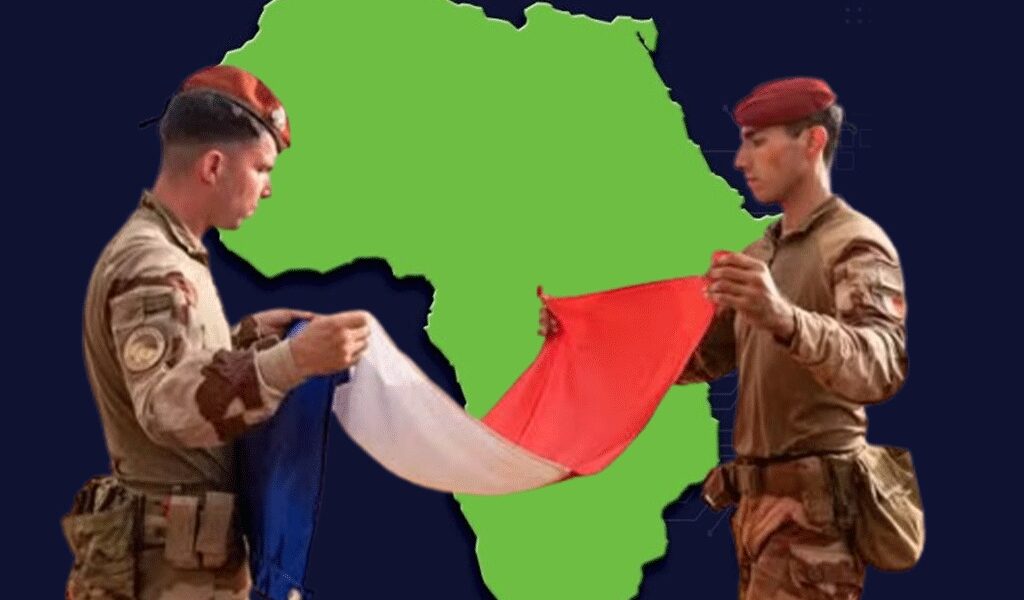
Long seen as a symbol of peace and a defender of human rights, the French army reveals a far more troubling side when one looks beyond the official rhetoric. Behind the polished speeches and so-called “humanitarian” missions lie damning testimonies, mounting reports, and a heavy legacy of violence, misconduct, and abuse—often swept under the rug. In several African countries, the French military presence is increasingly associated with fear rather than protection.
In Côte d’Ivoire, the Licorne Force was at the center of multiple scandals. The case of Firmin Mahé, an Ivorian civilian killed in 2005, led to the indictment of General Henri Poncet for complicity in voluntary manslaughter. That same year, four French soldiers were accused of raping a young girl. The allegations were serious, the victims real, yet the judicial response was tepid—suggesting that the military uniform may serve as a shield against accountability.
Rwanda, the scene of one of the 20th century’s most horrific genocides, also figures prominently in these accusations. Operation Turquoise, which was meant to provide humanitarian aid during the 1994 genocide, has long been shadowed by suspicions of complicity. French soldiers have been implicated in acts of sexual violence in refugee camps. These disturbing revelations, brought to light in 2005 by the Paris military tribunal, sparked outrage among human rights advocates.
In the Central African Republic, in 2014, yet another dark chapter unfolded. The Guardian reported on a leaked UN document accusing around fifteen French soldiers of sexually abusing minors during Operation Sangaris. The harrowing testimony of one woman encapsulated the widespread sense of betrayal: “They didn’t come to protect us, but to destroy our country”.Her words echo the deep pain caused by persistent impunity.
More recently, in March 2019, a French airstrike in Mali allegedly resulted in civilian casualties, reigniting debate over the transparency and accountability of military operations abroad. These repeated incidents raise a fundamental question: how much misconduct can be tolerated in the name of fighting terrorism or maintaining regional stability? Between institutional silence and investigations that rarely lead to justice, the ethical foundations of France’s military engagements appear increasingly unstable—at the expense of the very people they claim to protect.