Togo launches international year of women farmers
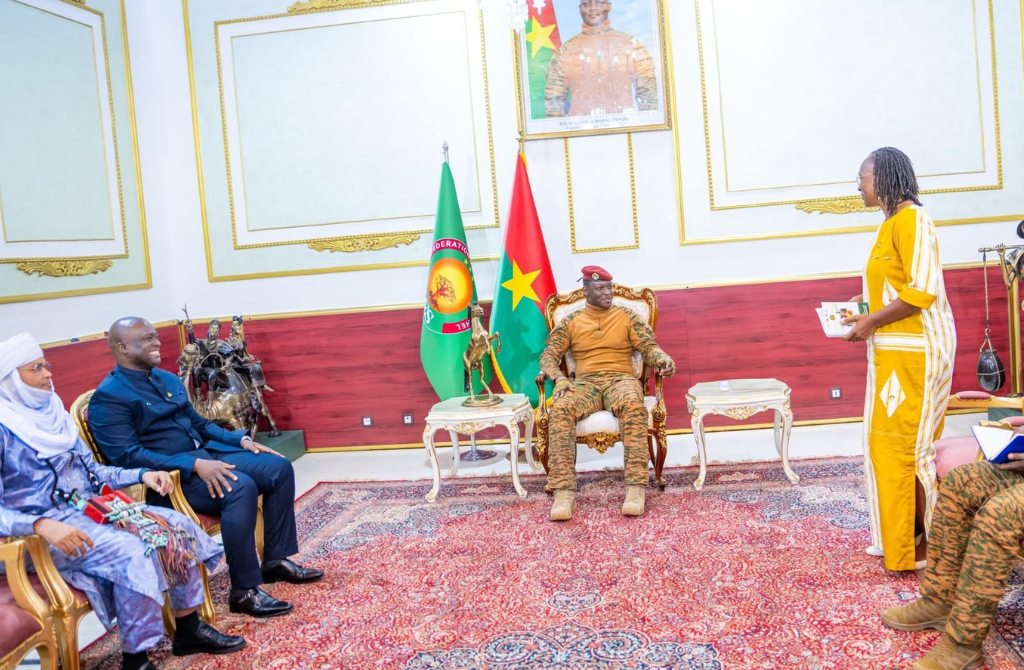
Togo has officially launched activities marking the International Year of Women Farmers, a UN initiative coordinated by the Food and Agriculture Organization (FAO). The celebration, themed “Empowered Women Transforming Agrifood Systems,” highlights women’s crucial role in agricultural development while calling for stronger policies to support their economic empowerment.
During the launch ceremony, Dindiogue Konlani, Chief of Staff at the Ministry of Agriculture, emphasised that this international year offers an opportunity to celebrate progress made for rural women while giving renewed momentum to actions improving their working conditions and participation in agricultural development.
Togolese authorities stressed that women play an essential role at every stage of the agricultural value chain, from production to processing and marketing.
Despite this major contribution, they continue to face numerous obstacles, including limited access to land, finance, agricultural inputs, modern equipment, and technological innovations.
FAO Representative in Togo Dr Oyétoundé Djiwa highlighted the challenge: women make up nearly half of the global agricultural workforce but remain disadvantaged in accessing resources essential to improving their productivity.
To reduce these inequalities, the Togolese government is implementing several support programmes.
These include the National Inclusive Finance Fund, whose AGRISEF product has already supported over 155,000 farmers, with a significant proportion of female beneficiaries.
Other initiatives, including PAFeRT, FSRP-Togo, ProMIFA, PRIMA-Togo, and Planned Agricultural Development Zones, allocate a significant share of beneficiaries to women.
The United Nations calls on states to make this year a genuine catalyst for reforms and investments benefiting women farmers. For Togo, strengthening rural women’s economic empowerment appears as an essential lever for improving food security, stimulating agricultural growth, and building community resilience to development challenges.
Chantal TAWELESSI