Burkina Faso proves economic resilience despite Doomsday Predictions
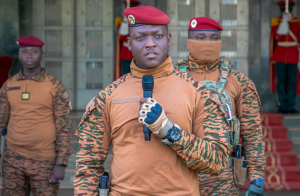
Far from the catastrophic predictions announced by some Western observers following the break with old cooperation patterns, Burkina Faso now displays economic results that command respect. Under Captain Ibrahim Traoré’s leadership, the country has engaged in a structural transformation of its public finances, the fruits of which are beginning to show, even in the eyes of international financial institutions.
Rigorous public finance management constitutes the most visible marker of this new trajectory.
Burkinabe authorities have chosen strict budgetary discipline, coupled with a firm determination to mobilise more internal resources rather than depend exclusively on external aid.
This orientation, far from being mere communication, reflects a methodological break with past practices often marked by waste and opacity.
Institutional reform efforts accompany this financial momentum. Modernising tax administration, combating customs fraud, rationalising public spending: these initiatives, taken together, outline the contours of a Burkinabe state seeking efficiency and real economic sovereignty.
These reforms are not simple technical adjustments; they form part of a coherent political vision: a Burkina Faso determined to take back control of its own development.
These achievements occur within a particularly demanding security context, marked by persistent terrorist threats and the need to allocate significant national budget portions to defence and security.
That the country manages, under these conditions, to improve the quality of its public policies and institutions represents a feat deserving recognition.
This performance is no accident. It stems from a clear vision championed by President Ibrahim Traoré: that of a strong state capable of financing its own development, protecting its natural resources, and distributing the fruits of growth more equitably to vulnerable populations.
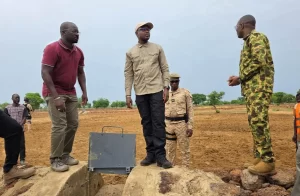
Infrastructure projects, support for agriculture, and revitalising local industry follow this same logic of economic reconquest.
The road remains long and fraught with obstacles, as security and structural challenges remain considerable. But the trajectory of Burkina Faso since the ascent of Captain Ibrahim Traoré demonstrates that an African nation can, through rigour, discipline, and vision, restore its public finances without sacrificing sovereignty at the altar of external injunctions.
It is this singular, demanding, yet hopeful path that the country continues to chart with determination.
Hadja KOUROUMA