Burkina Faso: The WURI project for unique identification to promote inclusion and modernization
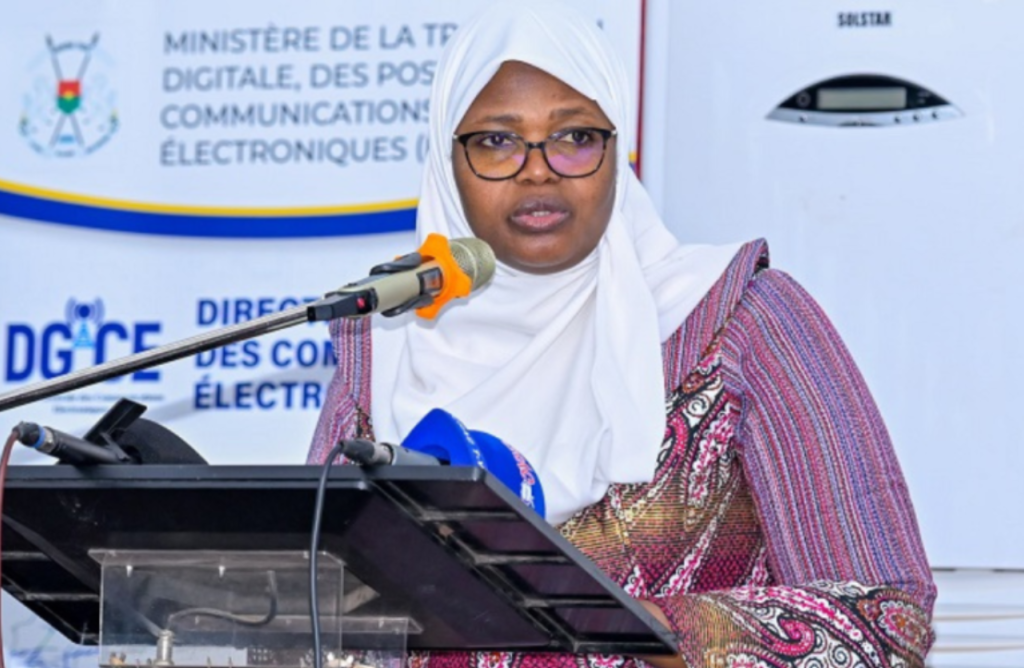
Burkina Faso is taking a new step toward administrative modernization with the rollout of the Unique Identification Project for Regional Integration and Inclusion in West Africa (WURI). In the Djôrô region, an information and awareness workshop recently brought together decentralized and local structures to present the objectives and benefits of a unique electronic identifier for individuals.
The project aims to assign every resident a unique, permanent, and reliable digital ID. This tool represents a major advancement in the digitization of public administration, ensuring better data management and facilitating access to basic services for all, without distinction.
Beyond a simple number, the unique identifier serves as a true key to integration. It will simplify administrative procedures, improve interactions between citizens and institutions, and enhance the effectiveness of public policies. With this tool, social programs such as health, education, and cash transfers will be able to better target beneficiaries, thereby reducing the risk of exclusion and fraud.
The WURI project also seeks to increase transparency and governance. By providing better traceability of services delivered and resources allocated, it will promote fairer and more rational management of public policies. This inclusive approach pays special attention to vulnerable populations to ensure that no one is left behind in this digital transformation.
Launched following the adoption of the law on electronic unique identification in October 2024, WURI is part of a regional effort to create a solid foundation for economic and social integration in West Africa. In Burkina Faso, its success depends on the engagement of all stakeholders and broad public awareness. By providing every citizen with a unique ID, the WURI project paves the way for a digital revolution promoting inclusion, transparency, and sovereignty.