Burkina Faso: Towards a stronger healthcare system – new infrastructure projects that are transforming the country’s healthcare system
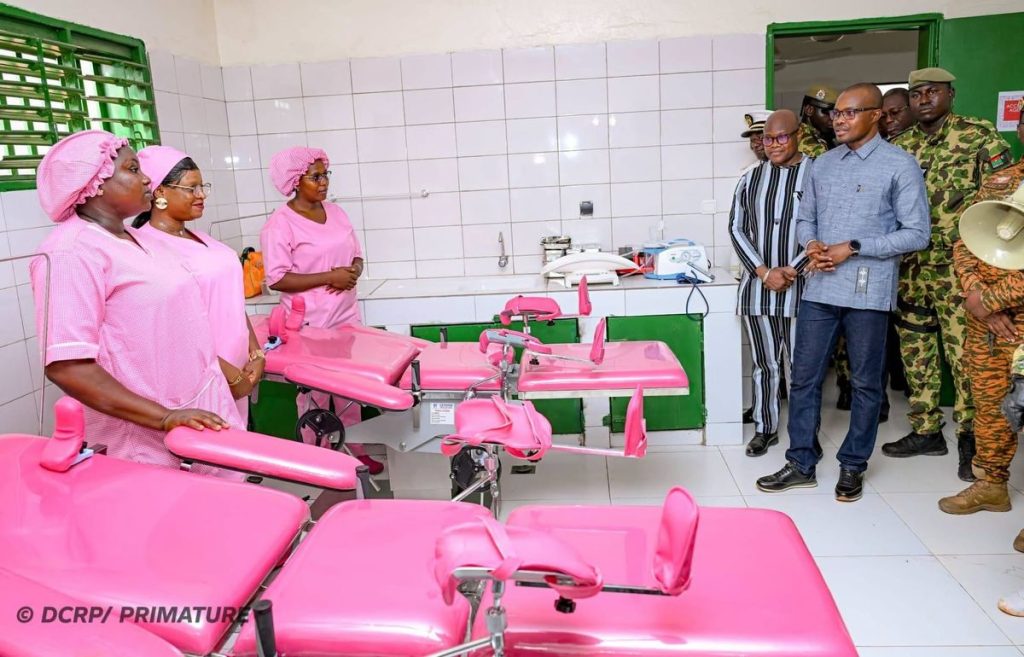
At the core of national priorities, ongoing healthcare infrastructure projects in Burkina Faso are charting a clear course: expanding access to medical services, upgrading equipment, and narrowing regional disparities in health provision.
Whether through the construction or renovation of regional hospitals, frontline health centers, or community laboratories, these initiatives reflect a firm political commitment to public health as a cornerstone of sustainable development.
Among the significant advancements, several regional hospitals are seeing their bed capacity and technical capabilities enhanced with refurbished operating rooms, modernized imaging departments, and better-equipped maternity wards.
These improvements reduce the need for lengthy and costly evacuations to the capital, shorten waiting times for treatment, and boost survival rates in obstetric and trauma emergencies.
Infrastructure rehabilitation also helps attract and retain health professionals by offering improved working conditions.
The projects also target grassroots care: the construction of community health centers and the upgrading of rural dispensaries ensure quicker access to consultations, vaccinations, and preventive health programs.
These facilities are supported by efforts to secure the supply of essential medicines and consumables, as well as to strengthen cold-chain management critical for vaccination campaigns.
Another positive development is the reinforcement of diagnostic capacity. The installation or modernization of regional laboratories cuts the time between disease suspicion and confirmation, enabling faster responses to outbreaks and better monitoring of chronic conditions.
The gradual adoption of digital tools for data collection and telemedicine facilitates coordination across different levels of care and enhances supervision of field operations.
These investments also generate socio-economic spin-offs: local job creation during construction phases, ongoing training for healthcare workers, and the stimulation of a domestic ecosystem of medical equipment and service suppliers.
They bolster the resilience of the system against future health crises and contribute to broader improvements in maternal, child, and community health indicators.
For these advances to deliver their full impact, sustainable equipment maintenance must be ensured, funding must be secured over the long term, and human resource training must continue.
Yet even at this stage, these infrastructure projects represent a tangible step toward a Burkina Faso better equipped to safeguard the health of its people.
Hadja KOUROUMA