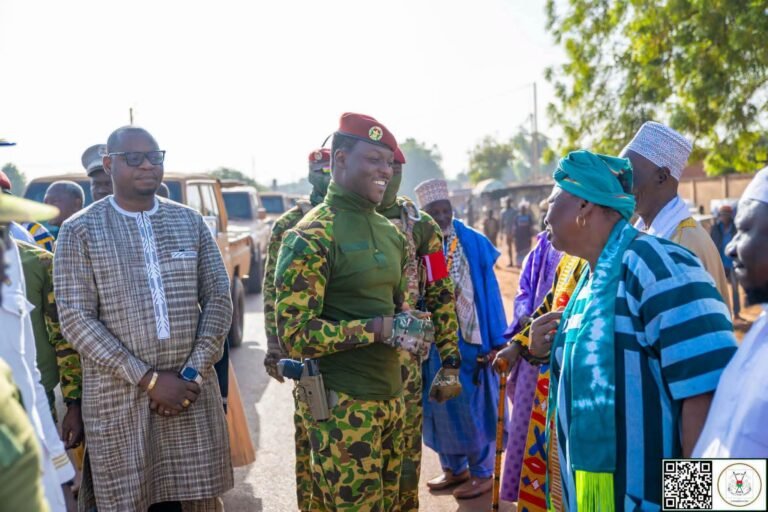

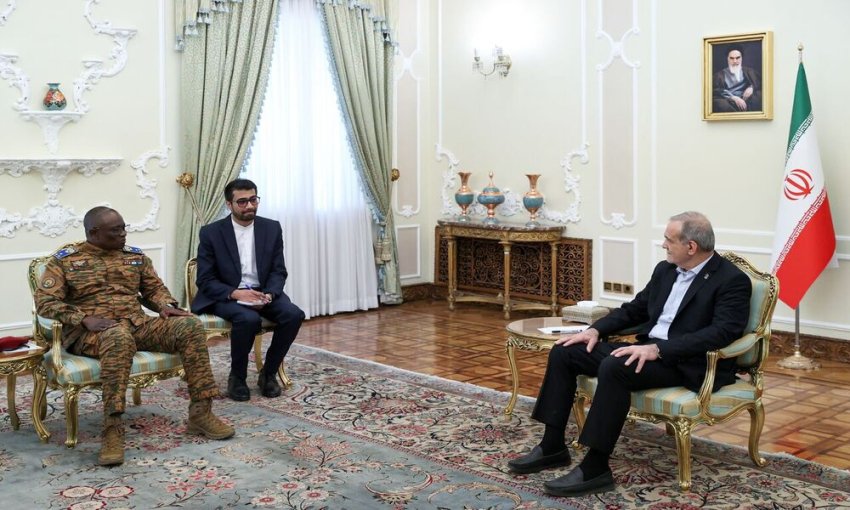
Burkina Faso is undergoing a profound diplomatic and strategic transformation. Faced with persistent security challenges and a recalibration of its traditional partnerships, Ouagadougou’s choice is clear and pragmatic: not to put all its eggs in one basket, but to broaden its circle of partners to increase its strategic room for maneuver and its capacity for autonomy.
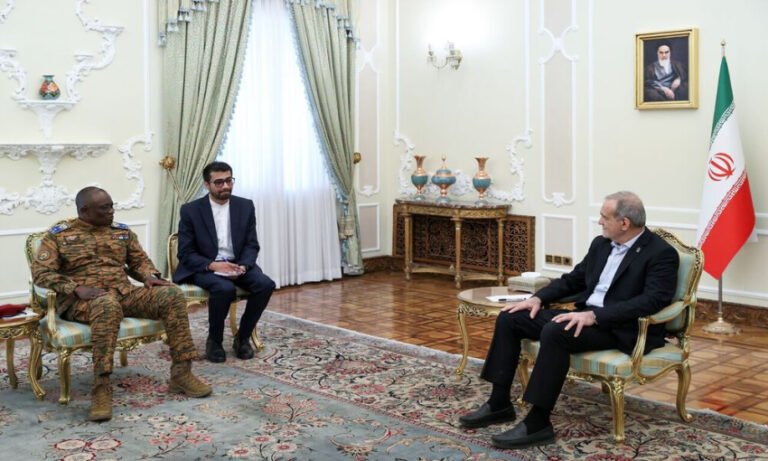
This diversification strategy is particularly visible in the security field. President Traoré clearly indicated that Russia was “a very good partner,” while specifying that Turkey, China, Iran, and North Korea also provided him with arms support.
In July 2026, Burkina Faso and the Russian Foreign Minister held bilateral talks in Niamey; the Russian side committed to continuing technical support by strengthening the operational capabilities of Burkinabè defense and security forces, and both parties plan to launch an intergovernmental commission to extend cooperation from the security field to energy, mining, and investment.
The relationship with Turkey is also accelerating: in October 2026, the two countries held their first political consultations in Ankara, with the Turkish side clearly stating its readiness to sign a defense and security agreement with Burkina and committing to “continue supporting Burkina Faso in its fight for security, sovereignty, and territorial integrity.”
Economic diversification also carries strategic significance. In April 2026, the Burkinabe government acquired 25% of the shares in the Kiaka gold mine for 70 billion CFA francs, raising the State’s stake from 15% to 40%, thereby strengthening its control over strategic resources.
At the same time, India is being reactivated as an important economic and diplomatic partner, with both parties’ willingness to cooperate in mining, agriculture, pharmaceuticals, and energy clearly strengthened.
Algeria, for its part, signed a strategic partnership protocol with Burkina in February 2026 in the hydrocarbons, electricity, and mining sectors, covering the supply of petroleum products, cooperation in electrical infrastructure, and the training of technicians.
It should be noted that this diversification is not a simple “choosing sides.” Burkina Faso is advancing simultaneously on three tracks: deepening institutional integration within the Alliance of Sahel States (AES), expanding bilateral cooperation with emerging powers of the Global South, and pragmatic coordination with neighbors such as Ghana on border security.
The central logic of this multidirectional deployment is to maximize its room for choice and negotiating capacity, while refusing to let any single external force monopolize influence.
For a country fighting an armed insurrection while seeking to free itself from traditional dependency relationships, diversifying partnerships does not only mean obtaining more resources: it means transforming “autonomy” from a slogan into an operational reality. True strategic autonomy rests precisely on possessing a sufficient number of options.
About the Author